
If you spend time watching travel videos or reading comments from tourists who visit South Korea, you will notice a recurring theme.
Many of them say:
“South Korea feels like the future.”
At first, that sounds like an exaggeration. There are no flying cars above Seoul’s skyline, and people are not walking around in science-fiction spacesuits.
Yet visitors genuinely feel as if they have stepped decades ahead into the future.
What surprises them is not some secret technology hidden inside laboratories. It is everyday life.
The subway ride to work. The bus stop on the corner. The apartment building where ordinary families live. The convenience store ramen machine. The delivery robot crossing the street.
For Koreans, these things are normal.
For millions of visitors, they feel extraordinary.
A City That Cleans Itself Overnight
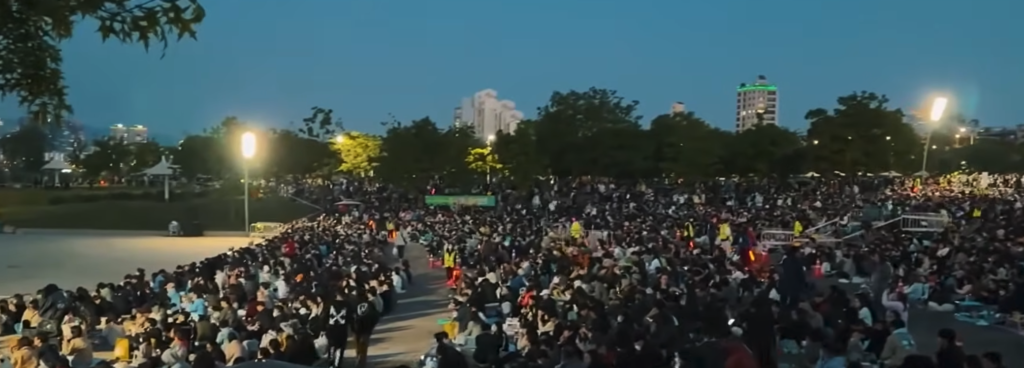
One of the most surprising moments for many tourists happens after large public festivals.
Imagine a major music event in the center of Seoul attended by hundreds of thousands of people.
When the festival ends, crowds head home and the streets are filled with trash, food containers, and footprints from a long night of celebration.
Then something remarkable happens.
Teams of sanitation workers, street sweepers, and water trucks arrive in an organized procession.
Instead of being ignored, they are often greeted with applause and cheers from spectators.
By the next morning, the streets look as if nothing happened the night before.
Visitors are amazed not only by the cleanliness but also by the respect shown to the workers responsible for restoring the city.
Many tourists describe the scene as a glimpse into a highly organized future society.
A Subway System That Feels Decades Ahead
The Seoul subway system is often the first place where foreign visitors experience culture shock.
During rush hour, people walk through subway gates without taking out a transportation card.
To many tourists, it looks as though commuters are entering for free.
In reality, mobile payment technology handles everything automatically.
Passengers simply walk through while their phones process payment in the background.
This seamless experience contrasts sharply with transportation systems in many countries where passengers still rely on physical cards or paper tickets.
Real-Time Information Everywhere
Foreign visitors are often surprised that subway apps can show how crowded each train car is before the train even arrives.
Instead of guessing where there is room to stand, passengers can see which cars are packed and which are relatively empty.
Platform floors are marked so precisely that riders know exactly where train doors will open.
These details save time and improve comfort, but they also contribute to the feeling that daily life in Korea is carefully optimized.
Underground Internet That Actually Works
For many tourists, another surprise is internet connectivity.
In countless subway systems worldwide, phone signals disappear underground.
In Seoul, passengers can stream videos, browse social media, or make video calls while traveling through tunnels.
Many visitors have shared videos expressing disbelief that they can hold uninterrupted video calls while moving beneath one of the world’s busiest cities.
Convenience Stores With Automated Ramen Machines
One of Korea’s most famous experiences involves instant ramen.
Visitors often discover self-service ramen stores and convenience stores equipped with automated cooking machines.
The process is simple.
Select a noodle package, place it into the machine, and let technology handle the rest.
The machine adds the correct amount of water, controls cooking time, and prepares the meal perfectly.
To Korean consumers this feels routine.
For international visitors, it feels futuristic.
Robot Baristas Are Becoming Normal
Korea has also integrated robotics into everyday consumer experiences.
In some cafés, robotic baristas prepare drinks from start to finish.
The robots pick up cups, brew coffee, add ingredients, and place finished drinks in pickup areas.
While robot cafés exist elsewhere, they are often found in airports, exhibitions, or technology showcases.
In Korea, visitors may encounter them in ordinary neighborhoods.
This normalization of technology is what leaves such a strong impression.
Robots Delivering Food on Sidewalks
Walking through some Korean neighborhoods, visitors may encounter autonomous delivery robots.
These robots travel along sidewalks, stop at crosswalks, obey traffic signals, and avoid pedestrians.
Some are connected directly to apartment systems.
They can access entrances, call elevators, and deliver food to residents’ doors.
For many tourists, this feels less like reality and more like a scene from a science-fiction movie.
Delivery Apps Designed for Everyone
South Korea’s delivery culture is famous around the world.
Today, even foreign tourists can use many delivery services without a Korean phone number.
Visitors can sit in a park, order fried chicken through an app, and have it delivered directly to their location.
For Koreans, this is ordinary.
For visitors from countries where delivery services are slower or less accessible, it is a memorable experience.
Smart Solutions for Everyday Problems
One reason visitors describe Korea as futuristic is that even small inconveniences are addressed creatively.
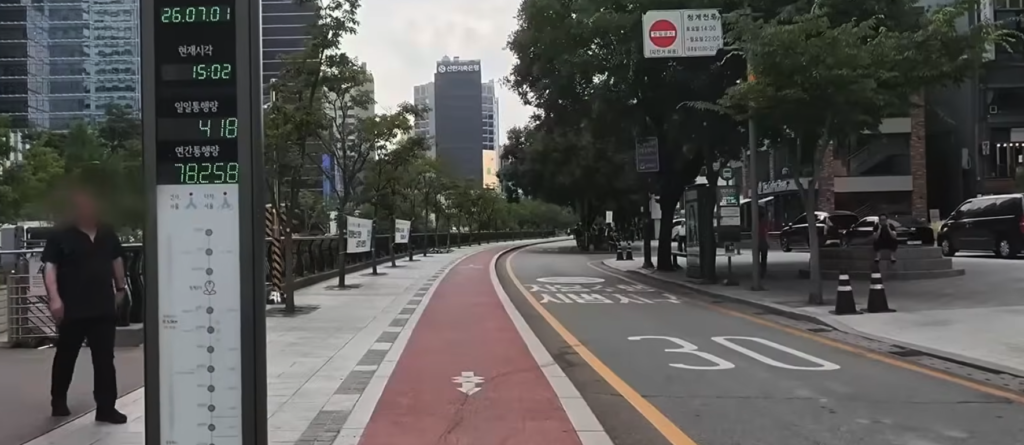
Crosswalks often feature large sunshades to protect pedestrians from extreme summer heat.
Some intersections include illuminated signals embedded into the ground, helping people who are looking down at smartphones safely cross streets.
These solutions may seem simple, but they demonstrate how technology and urban planning are integrated into daily life.
Bus Stops That Feel Like Lounges
Korea’s smart bus shelters are another frequent source of amazement.
Some include air conditioning during summer months.
Others provide heating, air purifiers, charging ports, and real-time transit information.
Instead of merely waiting outdoors, passengers can relax comfortably while monitoring bus arrivals.
Foreign visitors often comment that these shelters feel more advanced than transportation hubs in many major cities.
Smart Homes Are Everywhere
Many tourists are shocked when visiting Korean apartments.
Digital door locks have largely replaced traditional keys.
Home control panels can manage heating, security systems, parking information, visitor access, and package notifications.
Some newer residential complexes even allow residents to call elevators through voice commands.
Smart home technology is no longer a luxury feature available only to the wealthy.
It has become part of mainstream everyday living.
The Sky Becomes a Giant Screen
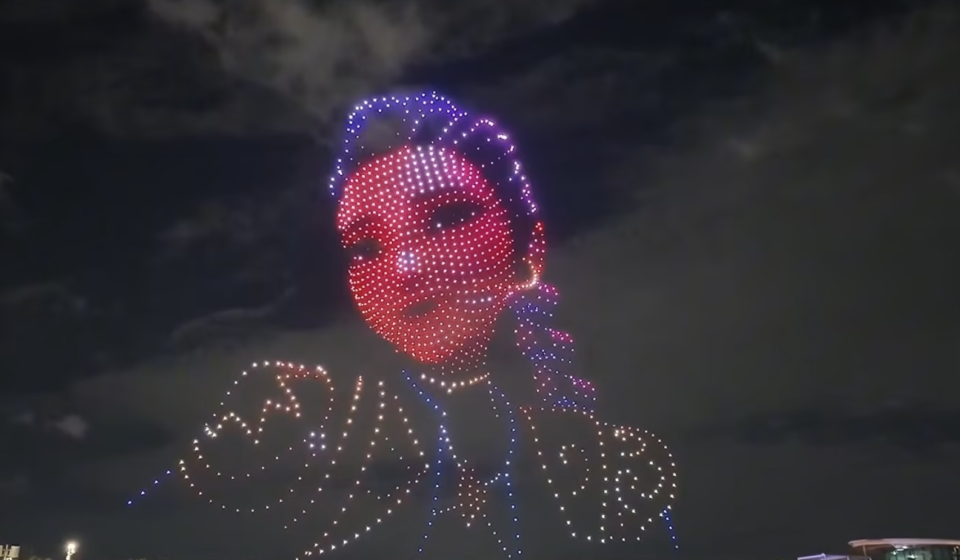
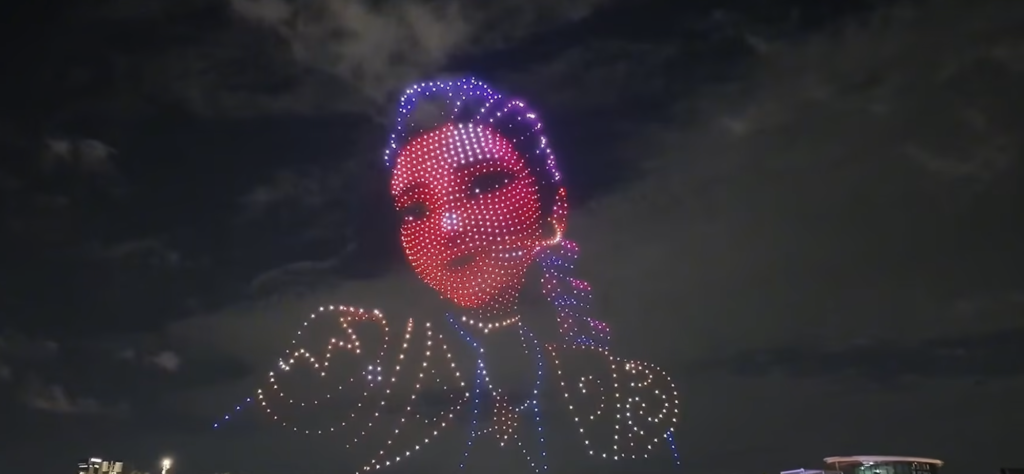
One of the most memorable attractions in Seoul is the Han River drone show.
Thousands of synchronized drones create enormous images and animations in the night sky.
K-pop characters, famous landmarks, and animated scenes appear above the city.
Unlike fireworks, drone displays can tell stories and create moving visual experiences.
Visitors frequently compare the spectacle to scenes from futuristic movies.
Driverless Buses Are Already Operating
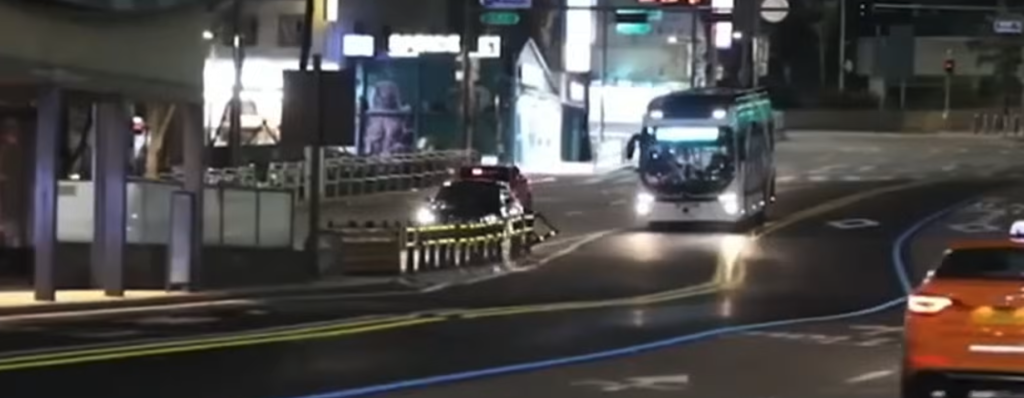
Another reason foreigners associate Korea with the future is the country’s adoption of autonomous transportation.
Driverless buses operate on selected routes in Seoul.
Autonomous taxis are also being tested and expanded in certain districts.
What impresses visitors most is not the technology itself but the fact that it is already being used by ordinary people in real urban environments.
The future is no longer being tested.
It is already operating.
Robot Theme Parks and AI Experiences
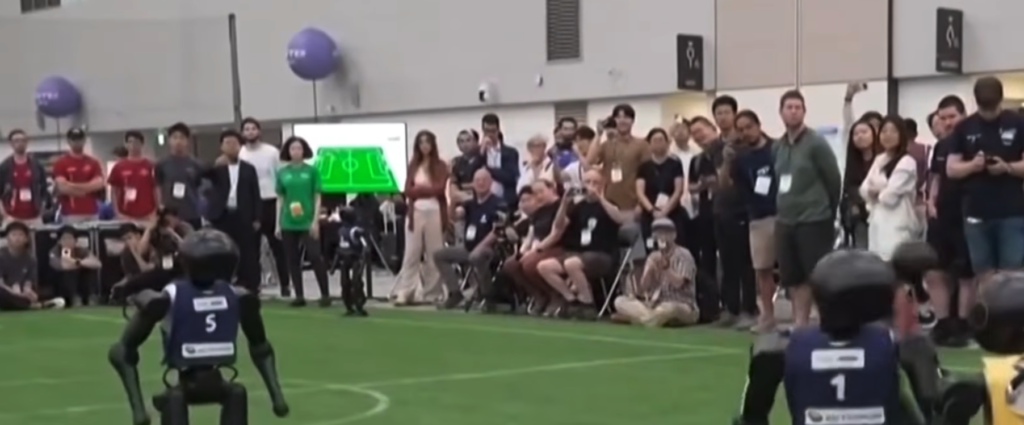
Korea is also embracing robotics as entertainment.
Theme parks and exhibitions allow visitors to watch humanoid robots dance, perform, and interact with audiences.
Some attractions even let visitors control robots themselves.
For children and tourists alike, these experiences blur the line between science fiction and reality.
Overnight Delivery That Feels Impossible
Perhaps the most shocking experience for some visitors is Korea’s overnight delivery system.
Order groceries before going to sleep.
Wake up the next morning.
Everything is waiting outside the front door.
Fresh vegetables, milk, bread, fruit, and household items can arrive before breakfast.
In many countries, deliveries take several days.
In Korea, an overnight delivery often feels completely normal.
This level of efficiency leaves a lasting impression on foreign visitors.
The Real Secret Behind Korea’s “Future”
The most important reason visitors believe Korea feels futuristic is not technology alone.
Many countries have advanced technologies.
The difference is accessibility.
In South Korea, innovation is woven directly into daily life.
The technology is not reserved for research centers, luxury districts, or special demonstrations.
Children use it.
Seniors use it.
Office workers use it.
Tourists use it.
The future is not hidden behind laboratory doors.
It exists in the subway station, the apartment building, the convenience store, and the neighborhood street.
Conclusion
When foreigners say South Korea feels like the future, they are not talking about science-fiction fantasies.
They are talking about a society where technology has quietly become part of everyday life.
From smart subway systems and robot deliveries to autonomous vehicles and overnight logistics, Korea has integrated innovation into ordinary routines in ways that many visitors have never experienced before.
Perhaps that is why so many travelers return home with the same conclusion:
If you want to see what the near future looks like, you do not need a time machine. You only need a ticket to South Korea.