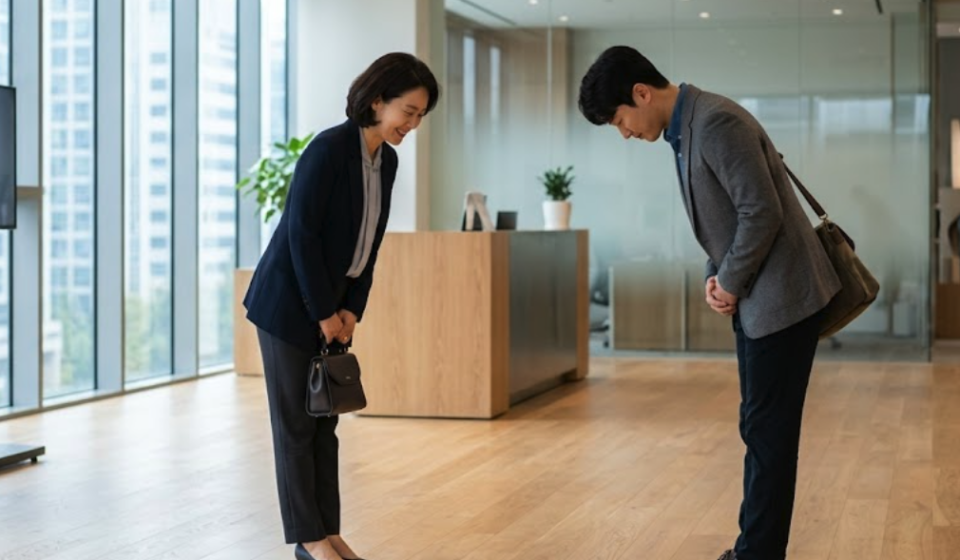

A comprehensive guide to understanding modern Korean manners, social rules, and cultural expectations.
Korean etiquette is one of the most fascinating aspects of Korean culture. It shapes how people speak, behave, interact, and even think. For foreigners, Korean manners can feel both warm and strict, friendly yet formal, simple on the surface but deeply layered underneath. Understanding Korean etiquette is not just about knowing what to do—it’s about understanding why people do it, and how these behaviors reflect Korea’s history, values, and social structure.
This guide explores the essential elements of Korean etiquette in modern society, helping you navigate daily interactions with confidence and cultural awareness.
🇰🇷 1. The Foundation of Korean Etiquette: Respect
Respect is the core of Korean culture.
It influences everything—from language to body posture, from dining manners to social interactions.
Why respect matters so much in Korea
Korea has a long history shaped by Confucian values, which emphasize:
- Hierarchy
- Harmony
- Respect for elders
- Proper behavior
- Social order
Even though modern Korea is fast, digital, and globalized, these values still remain strong.
Respect shows up in everyday life
- How people speak
- How people bow
- How people give and receive items
- How people sit at the table
- How people greet each other
- How people behave in public spaces
Understanding respect is the key to understanding Korean etiquette.
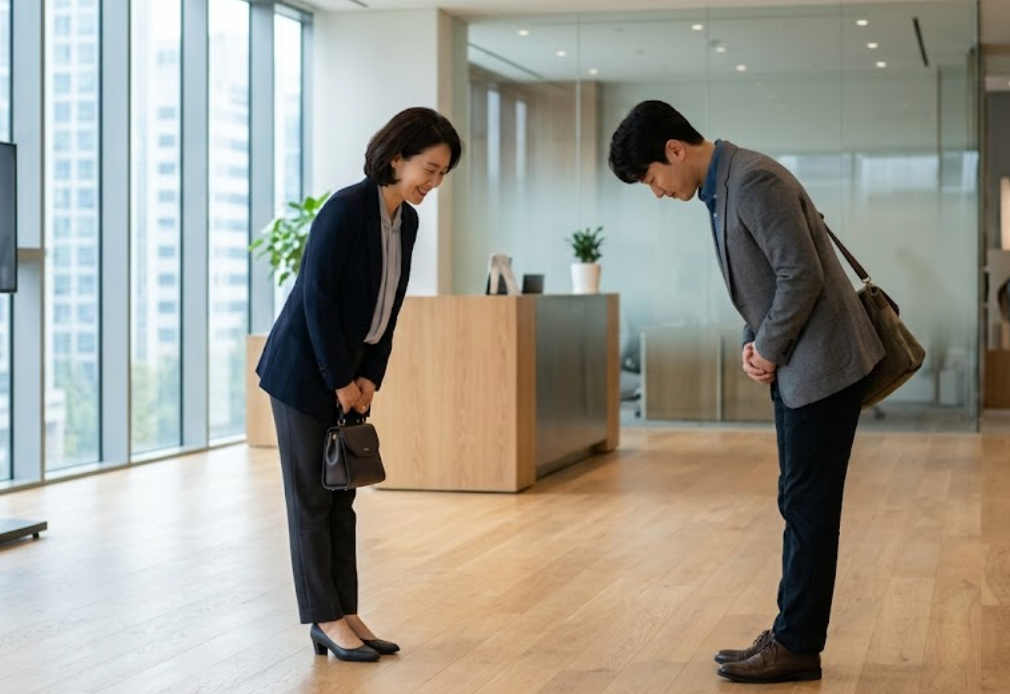
🙇 2. Bowing: The Universal Gesture of Politeness
Bowing is one of the most recognizable Korean manners.
Types of bows
- Small nod: casual greeting
- Medium bow: polite greeting or thanks
- Deep bow: formal respect (holidays, ceremonies)
When Koreans bow
- Meeting someone
- Saying goodbye
- Thanking someone
- Apologizing
- Greeting elders
- Greeting teachers
- Greeting customers (in stores)
Foreigners don’t need to bow perfectly—just a small nod is enough to show respect.
🗣️ 3. Honorifics & Speech Levels: The Language of Respect
Korean language has multiple speech levels.
Choosing the right one is essential.
Main speech levels
- Formal polite (합니다체)
- Standard polite (해요체)
- Casual (해체)
- Honorific forms
Who gets honorifics?
- Elders
- Teachers
- Bosses
- Customers
- Strangers
- Anyone you meet for the first time
Why this matters
Using polite language shows respect.
Using casual language too early can feel rude.
Foreigners are forgiven easily, but learning basic polite forms helps a lot.
🎁 4. Giving & Receiving Items: Use Both Hands
In Korea, giving or receiving items with one hand can feel careless.
Proper etiquette
- Use both hands
- Or use one hand + support the arm with the other hand
- Make eye contact
- Bow slightly
When this applies
- Giving money
- Receiving change
- Giving gifts
- Receiving documents
- Handing business cards
- Accepting drinks
This small gesture shows sincerity and respect.
🍽️ 5. Dining Etiquette: Shared Dishes & Table Manners
Korean dining culture is communal.
People share dishes, eat together, and enjoy conversation.
Key dining rules
- Wait for elders to start eating
- Don’t stick chopsticks upright in rice
- Don’t blow your nose at the table
- Don’t lift bowls too high (unlike Japan)
- Don’t pour your own drink if others are present
- Pour drinks for others first
- Accept drinks with both hands
- Don’t waste food
Shared dishes
Koreans often eat from the same plates.
It’s normal and part of the culture.
Drinking etiquette
- Turn your head away from elders when drinking alcohol
- Pour drinks for others
- Accept drinks with both hands
- Don’t force anyone to drink
👞 6. Shoes Off Indoors: A Strict Cultural Rule
In Korea, people remove shoes before entering homes.
Why?
- Cleanliness
- Hygiene
- Tradition
- Floor heating (온돌)
Where shoes must come off
- Homes
- Some traditional restaurants
- Some guesthouses
- Certain cultural spaces
Foreigners should always follow this rule.
🧓 7. Respect for Elders: A Deep Cultural Value
Koreans show strong respect for older people.
How this appears
- Using honorific language
- Offering seats on public transportation
- Letting elders eat first
- Helping elders carry items
- Greeting elders with bows
Why it matters
Age determines social hierarchy in Korea.
Even one year difference can change how people speak.
🧑🤝🧑 8. Public Behavior: Quiet, Orderly, Considerate
Korean public spaces are generally quiet and organized.
Expected behavior
- No loud talking on public transportation
- No phone calls on the subway
- Keep music volume low
- Don’t block walkways
- Don’t cut in line
- Keep trash with you until you find a bin
- Respect personal space
Why?
Korea is densely populated.
Consideration keeps public spaces comfortable.
🎉 9. Social Etiquette: Greetings, Invitations, and Gatherings
Greetings
- Bow or nod
- Use polite language
- Smile gently
- Avoid overly strong handshakes
Invitations
If someone invites you:
- It’s polite to accept
- If you decline, do so gently
- Bring a small gift if it’s a home invitation
Group gatherings
Koreans often gather for:
- Meals
- Coffee
- Drinks
- Karaoke
- Walks
Participation strengthens relationships.
💼 10. Workplace Etiquette: Hierarchy & Professionalism
Korean workplaces have clear hierarchy.
Rules
- Use formal language
- Respect seniors
- Follow instructions
- Don’t interrupt
- Arrive early
- Dress neatly
- Participate in team activities
Meetings
- Let seniors speak first
- Don’t contradict openly
- Take notes
- Show attentiveness
🎁 11. Gift-Giving Culture: Thoughtful & Symbolic
Koreans give gifts for:
- Holidays
- Birthdays
- Visits
- Thanks
- Apologies
Common gifts
- Fruit
- Snacks
- Drinks
- Cosmetics
- Health supplements
Rules
- Give with both hands
- Don’t give overly expensive gifts
- Avoid gifts in sets of four (symbol of death)
🧭 12. What’s Considered Rude in Korea
❌ Talking loudly in public
❌ Using casual language with strangers
❌ Ignoring elders
❌ Cutting in line
❌ Leaving shoes on indoors
❌ Rejecting food too strongly
❌ Not bowing at all
❌ Giving items with one hand
❌ Being late
❌ Showing too much public affection
Foreigners are forgiven easily, but avoiding these helps a lot.
🌐 13. Modern Changes in Korean Etiquette
Korea is changing fast.
New trends
- More casual speech among young people
- Less strict drinking culture
- More flexible workplace hierarchy
- More individualism
- More digital communication
- More global influence
Still, traditional etiquette remains strong in many areas.
🧩 14. Why Korean Etiquette Feels Unique
Korean etiquette blends:
- Confucian tradition
- Modern lifestyle
- Fast-paced digital culture
- Strong community values
- Respect-based communication
- Emotional warmth
It’s both formal and friendly, structured yet flexible.

[…] Korean Etiquette Guide: What’s Polite and What’s Not […]
Spot on about the first part
Here is my web site Monroe
Thank you for the auspicious writeup. It in truth used to be a entertainment
account it. Glance advanced to far introduced agreeable from you!
However, how could we keep in touch?
My brother recommended I might like this web site.
He was totally right. This post actually made my day. You cann’t imagine just how much time I
had spent for this information! Thanks!