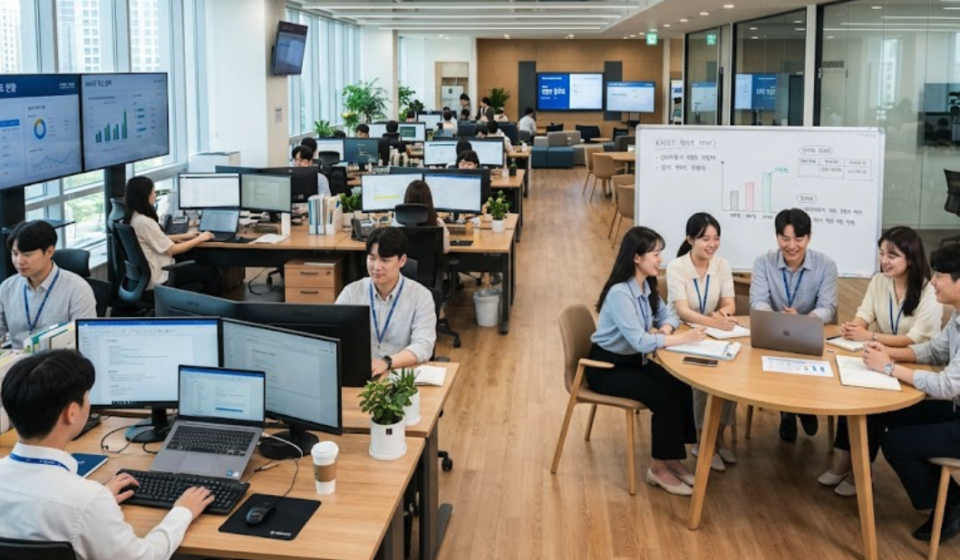

Korea’s work culture has long been known for intensity, discipline, and long working hours. For decades, the country’s rapid economic growth was powered by a workforce that valued loyalty, hierarchy, and collective success. However, as Korea enters 2026, the traditional work culture is undergoing one of the biggest transformations in its history.
Driven by generational shifts, global influence, digitalization, and changing social expectations, Korean workplaces are becoming more flexible, balanced, and human-centered. This extended guide explores the major changes shaping Korea’s work environment today — especially from the perspective of foreigners who want to understand how Korea’s work culture is evolving.
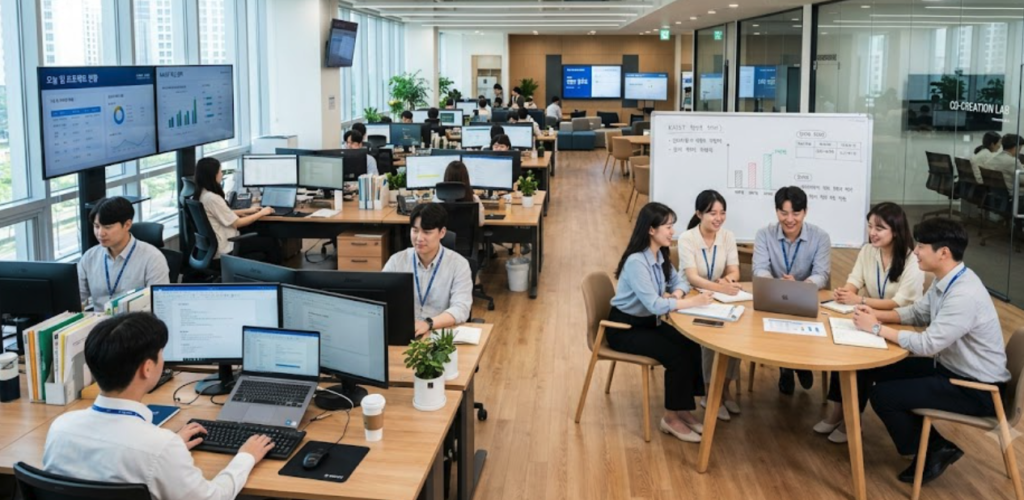
⭐ 1. The Rise of the MZ Generation (Millennials + Gen Z)
The biggest force reshaping Korean work culture is the MZ generation, who now dominate the workforce.
✔ What MZ workers value
- Work‑life balance
- Personal growth
- Fair treatment
- Transparent communication
- Mental health
- Flexibility
- Purpose-driven work
Unlike older generations who prioritized stability and loyalty, MZ workers prioritize quality of life and self‑expression.
✔ Impact on companies
Companies are changing policies to attract and retain young talent:
- Flexible working hours
- Remote work options
- Casual dress codes
- Mental health programs
- More open communication
- Less hierarchy
Even conservative industries like finance and manufacturing are adapting.
⭐ 2. Decline of Hierarchy & Titles
Traditional Korean workplaces were heavily hierarchical, with strict seniority rules and formal titles.
But in 2026, this is rapidly changing.
✔ What’s disappearing
- Rigid seniority
- Mandatory honorifics
- “Nunchi” pressure (reading the room excessively)
- Boss-centered decision making
- After-work drinking culture
✔ What’s emerging
- Flat organizational structures
- First-name culture in startups
- Open feedback systems
- Collaborative decision making
Foreigners often find modern Korean workplaces surprisingly similar to Western companies — especially in tech, media, and creative industries.
⭐ 3. Remote Work & Hybrid Work Become Normal
COVID-19 accelerated remote work globally, but Korea adopted it in a uniquely fast and structured way.
✔ Current trends in 2026
- Hybrid work is standard in tech, finance, and design
- Remote work allowed 2–3 days per week
- Digital collaboration tools widely used
- Virtual meetings normalized
- Companies invest in home-office support
✔ Why Koreans like hybrid work
- Less commuting stress
- More personal time
- Better mental health
- Higher productivity
- Reduced workplace pressure
Seoul’s long commute times made remote work especially appealing.
⭐ 4. Work-Life Balance Becomes a Priority
Korea historically had one of the longest working hours among OECD countries.
But in 2026, the trend is reversing.
✔ Policies supporting balance
- 52-hour workweek law
- Mandatory break times
- Encouraged vacation usage
- No late-night messaging policies
- Mental health days
✔ Cultural shift
Younger Koreans reject the idea that “work is life.”
They value hobbies, travel, relationships, and personal well-being.
This shift is reshaping everything from office design to HR policies.
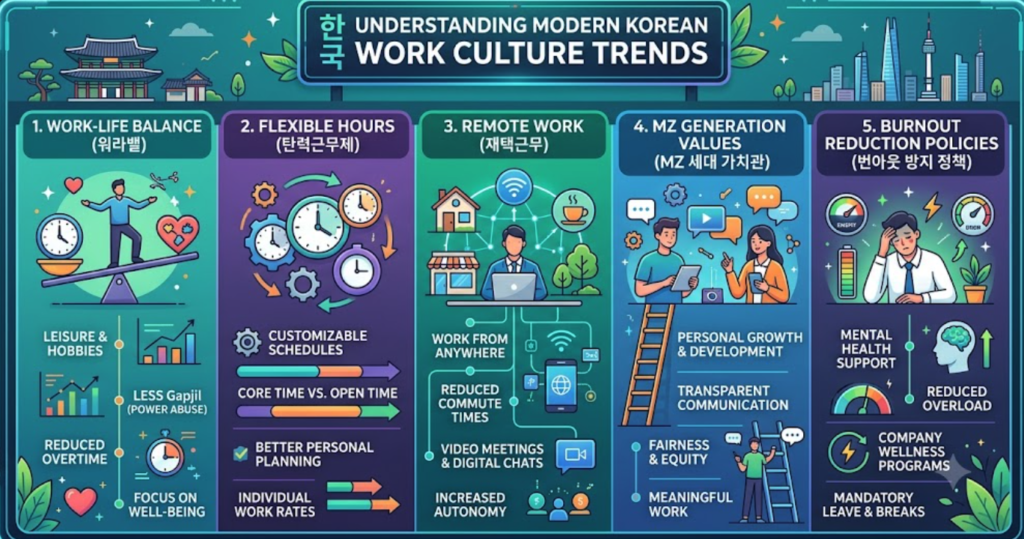
⭐ 5. The End of “Forced Drinking Culture”
For decades, Korean work culture included 회식 (company dinners) with heavy drinking.
Foreigners often found this stressful or uncomfortable.
But in 2026, 회식 culture has changed dramatically.
✔ What’s changing
- Drinking is optional
- Non-alcoholic 회식 is common
- Team-building activities replace drinking
- Employees can decline without penalty
- Younger workers prefer coffee chats or lunch meetings
This change is one of the most welcomed shifts among foreigners working in Korea.
⭐ 6. Mental Health Awareness Grows
Korea historically had stigma around mental health, but this is changing fast.
✔ Companies now offer
- Counseling programs
- Stress management workshops
- Burnout prevention policies
- Anonymous mental health surveys
- Paid mental health leave
✔ Why this matters
Korea’s intense work culture previously caused burnout, anxiety, and depression.
Modern companies now recognize that mental health is essential for productivity and retention.
⭐ 7. Digital Transformation of Work
Korea is one of the most technologically advanced countries, and workplaces reflect this.
✔ Common digital tools
- KakaoWork
- Slack
- Zoom
- Notion
- Jira
- AI-based HR systems
- Automated workflow tools
✔ AI in the workplace
AI is used for:
- Scheduling
- Data analysis
- Customer service
- HR screening
- Workflow automation
Foreigners often find Korean offices extremely fast-paced and digitally efficient.
⭐ 8. More Foreigners in Korean Companies
Korean companies are hiring more foreigners than ever before.
✔ Why?
- Global expansion
- Need for diverse perspectives
- English communication
- International marketing
- Cultural insight
✔ Industries hiring foreigners
- Tech
- Gaming
- Entertainment
- Beauty
- Fashion
- Medical tourism
- Finance
- Education
Foreigners often say Korean workplaces feel modern, energetic, and highly organized.
⭐ 9. The Future of Korean Work Culture (2026 and beyond)
Korea’s work culture will continue evolving.
✔ Expected trends
- More flexible hours
- More remote work
- More foreign employees
- Less hierarchy
- More mental health support
- More globalized communication
- More emphasis on creativity over obedience
Korea is moving toward a work culture that is global, modern, and human-centered.
⭐ Recommended Link
For more insights about Korean lifestyle and culture, visit:
👉 About Korea 8282 — https://aboutkorea8282.com/

[…] Korean Work Culture: What’s Changing in 2026 […]
Здесь портале есть шанс найти интересную информацию.
https://ipcfms.ru/read/173-embargo-na-eksport-aviakerosina-pervoe-v-istorii-ogranichenie-rossii.html