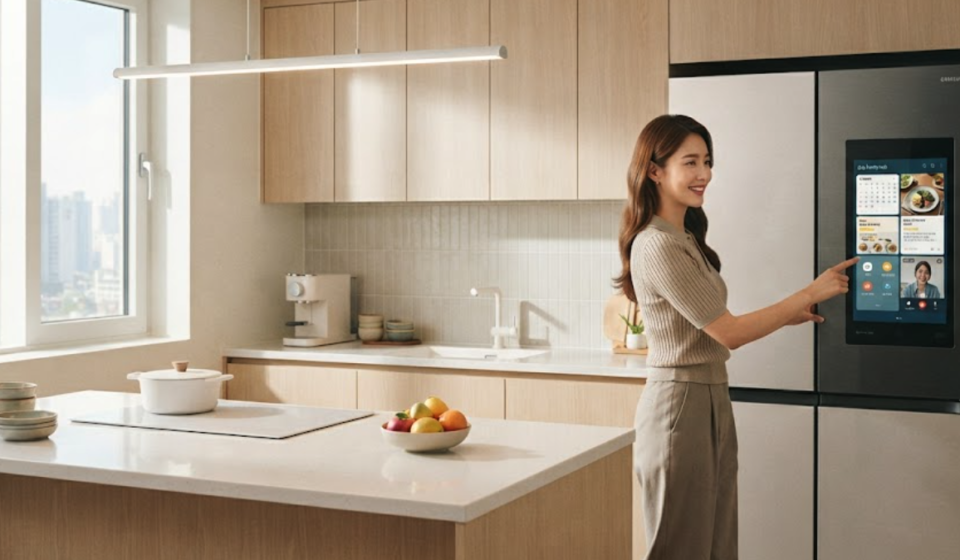

How Samsung and LG turned everyday home appliances into AI-powered lifestyle technology.
When foreigners first move to Korea, one of the earliest surprises comes not from skyscrapers, K‑pop, or high-speed internet — but from something far more ordinary: home appliances.
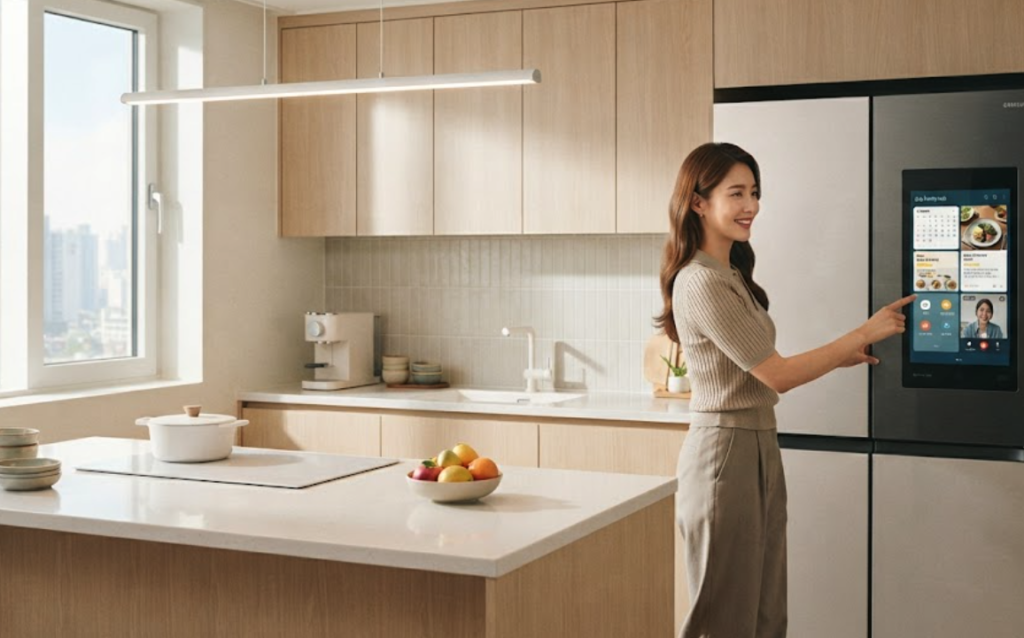
A refrigerator that shows what’s inside without opening the door.
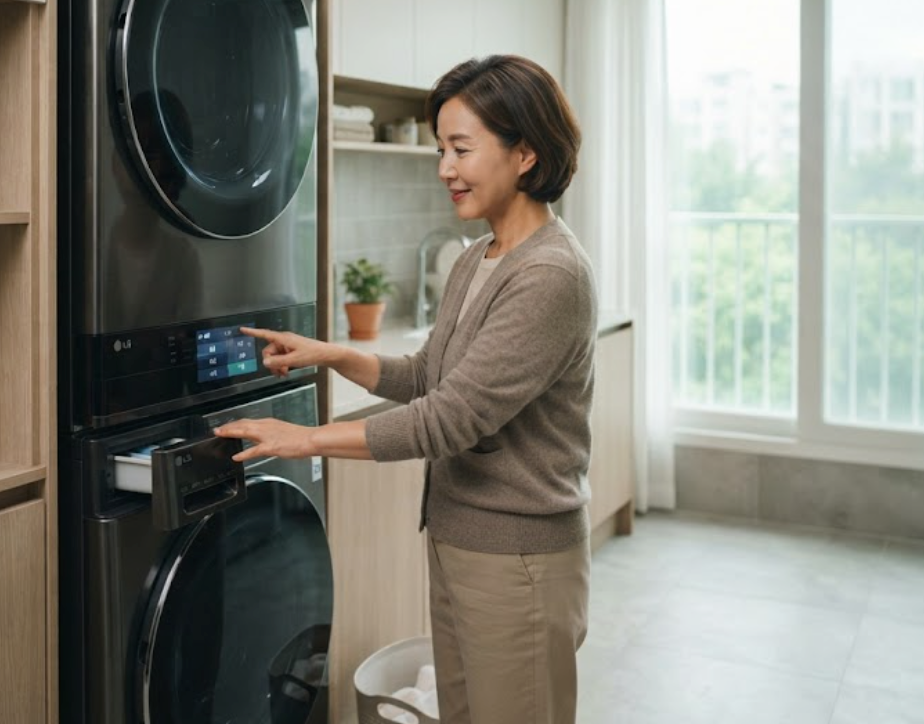
A washing machine that decides the water level and detergent amount on its own.
A toilet seat that warms itself and cleans automatically.
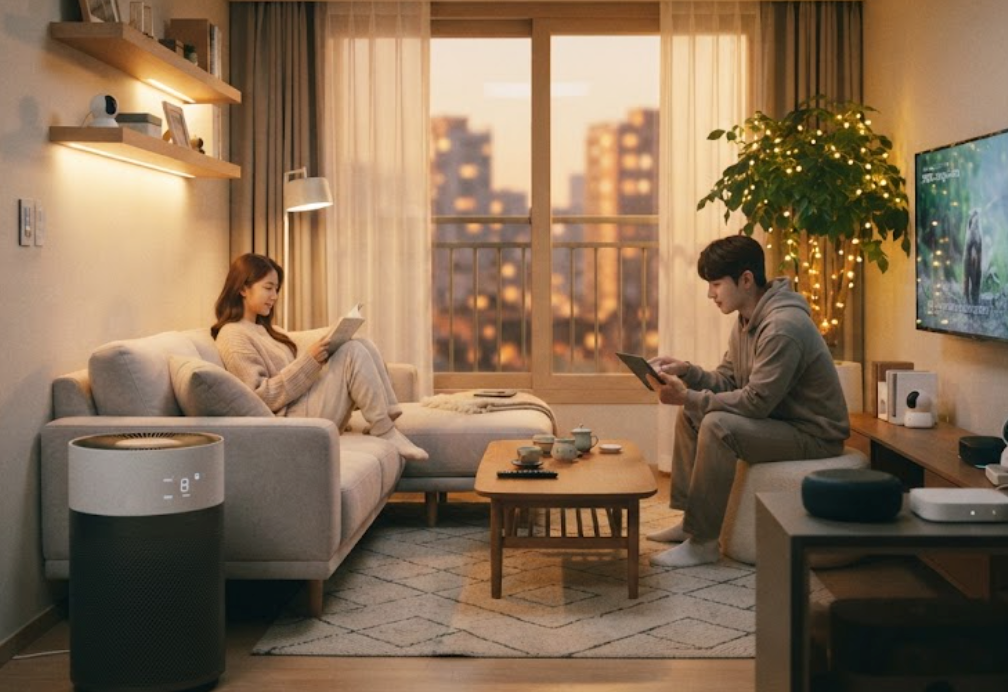
An air purifier that adjusts based on real-time pollution levels.
For many visitors, these devices feel less like household appliances and more like something from a futuristic movie.
But in Korea, they’re simply part of everyday life.
This article explores why Korean home appliances — especially those from Samsung and LG — feel so advanced, how they became essential to modern Korean living, and why foreigners often say, “Korea is living in the future.”
🟩 1. Korea’s Culture of Convenience Drives Innovation
Korea’s fast-paced lifestyle shapes its technology.
People work long hours, live in dense cities, and expect everything to be efficient, automated, and connected.
This cultural expectation created the perfect environment for smart appliances to evolve.
✔ Koreans value speed
Laundry cycles are shorter.
Dryers finish quickly.
Microwaves heat evenly and fast.
✔ Koreans value automation
Devices make decisions for you — detergent amount, drying time, air quality control.
✔ Koreans value connectivity
Most appliances connect to smartphones, allowing remote control and monitoring.
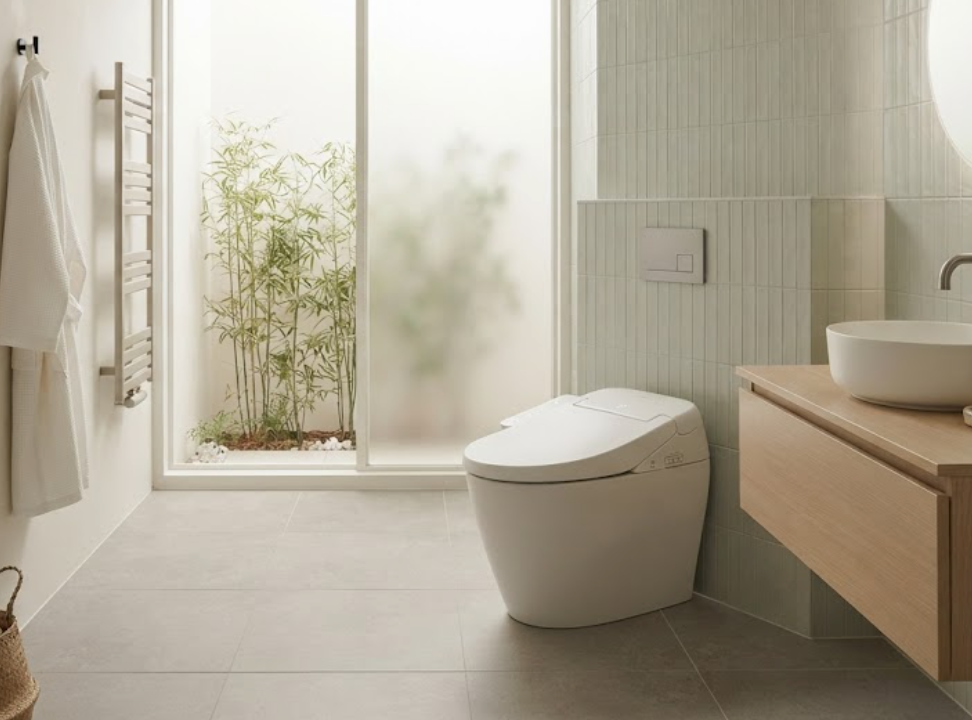
✔ Koreans value cleanliness
Bidets, air purifiers, and sterilizing devices are extremely common.
Foreigners often say Korean appliances feel “over-engineered,” but in reality, they’re designed to match Korean lifestyle needs.
🟦 2. Samsung & LG: The Giants Behind Korea’s Smart Home Revolution
Samsung and LG are not just electronics companies — they are global leaders in home appliance innovation.
Their competition with each other pushes technology forward at incredible speed.
✔ Samsung SmartThings Ecosystem
Samsung’s SmartThings platform connects:
- Refrigerators
- Washing machines
- Dryers
- Air conditioners
- Robot vacuums
- TVs
- Door locks
- Lights
Through one app, users can control their entire home.
✔ LG ThinQ AI System
LG’s ThinQ uses artificial intelligence to:
- Detect fabric type
- Adjust washing cycles
- Optimize drying
- Monitor refrigerator temperature
- Track energy usage
- Suggest maintenance schedules
Foreigners often say LG’s AI feels “alive” because it constantly learns user habits.
🟧 3. Smart Refrigerators: The Centerpiece of Korean Kitchens
Korean smart refrigerators are one of the most impressive appliances for foreigners.
✔ Transparent screens
You can see inside without opening the door.
✔ Food expiration tracking
The fridge reminds you when items are getting old.
✔ Recipe suggestions
It recommends meals based on what’s inside.
✔ Family communication board
Photos, notes, calendars — all displayed on the fridge screen.
✔ Smartphone monitoring
Check your fridge while grocery shopping.
In many Korean homes, the refrigerator is not just a storage device — it’s a digital hub.
🟨 4. AI Washing Machines & Dryers: Korea’s Laundry Technology
Foreigners often say Korean washing machines feel “too smart,” and they’re not wrong.
✔ AI fabric detection
The machine identifies fabric type and adjusts settings automatically.
✔ Automatic detergent dispensing
It calculates the exact amount needed.
✔ Water-saving optimization
Korean machines use significantly less water than Western models.
✔ Ultra-fast cycles
Laundry can finish in under 30 minutes.
✔ Smart drying
Dryers detect moisture levels and stop automatically.
In Korea, laundry is not a chore — it’s a seamless automated process.
🟫 5. Smart Bidets: Korea’s Most Surprising Home Appliance
One of the biggest culture shocks for foreigners is the Korean bidet.
✔ Heated seats
Warm even in winter.
✔ Automatic cleaning
No manual scrubbing needed.
✔ Adjustable water pressure & temperature
Personalized comfort.
✔ Air drying
Hands-free hygiene.
✔ Deodorizing systems
Keeps bathrooms fresh.
✔ Self-sterilizing nozzles
High hygiene standards.
In many Korean homes, a bathroom without a bidet feels incomplete.
🟪 6. Air Purifiers: Essential in Korean Homes
Korea’s air quality fluctuates due to seasonal dust and pollution.
This made air purifiers a standard appliance.
✔ Real-time air quality monitoring
Displays PM2.5 and PM10 levels.
✔ Automatic mode
Adjusts power based on pollution.
✔ Quiet operation
Designed for apartment living.
✔ Multi-room coverage
Some models purify entire apartments.
✔ Smart notifications
Alerts when filters need replacement.
Foreigners often say Korean air purifiers feel like “mini weather stations.”
🟫 7. Robot Vacuums & IoT Integration
Robot vacuums are extremely common in Korean homes.
✔ Automatic mapping
They learn your home layout.
✔ Scheduled cleaning
Runs while you’re away.
✔ Self-emptying stations
Minimal maintenance.
✔ Smart home integration
Works with SmartThings and ThinQ.
✔ Quiet operation
Designed for apartment noise rules.
Foreigners often say Korean robot vacuums feel “too smart to be real.”
🟧 8. Why Korean Homes Adopt Smart Appliances Faster Than Other Countries
Three major reasons:
✔ 1) Dense urban living
Small spaces benefit from automation and efficiency.
✔ 2) High digital literacy
Koreans are comfortable with apps, IoT, and AI.
✔ 3) Competitive tech industry
Samsung and LG constantly push new features.
Korea’s environment encourages rapid adoption of new technology.
🟩 9. Foreigners’ Reactions: “This Is the Future”
Foreigners living in Korea often say:
- “My washing machine is smarter than me.”
- “The fridge tells me what to cook.”
- “The bidet is the best invention ever.”
- “I control my entire home from my phone.”
- “Korean appliances feel like sci-fi.”
These reactions highlight how different Korean home technology feels compared to many countries.
🟦 10. Final Thoughts: Korea’s Home Appliances Show the Future of Living
Korean home appliances are not just advanced — they represent a lifestyle.
A lifestyle built on convenience, automation, cleanliness, and connectivity.
Samsung and LG transformed everyday tasks into seamless digital experiences.
And for foreigners, this is often one of the clearest signs that Korea is living ahead of the curve.
In Korea, the future isn’t coming.
It’s already installed in the kitchen, bathroom, and living room.