
How dermatology became Korea’s everyday beauty routine — not a medical emergency
When foreigners visit Korea, one of the first things they notice is how common dermatology clinics are.
They appear on every street in Gangnam, Hongdae, Sinsa, and even small neighborhoods.
But what surprises visitors even more is this:
Koreans go to dermatology clinics the same way others go to hair salons.
In Korea, dermatology is not just a medical service.
It is part of daily beauty care, lifestyle, and self‑maintenance.
This cultural shift has made Korea one of the world’s most advanced skin‑care destinations — and a global leader in beauty technology.
This article explains why dermatology is so normalized in Korea, why Koreans visit clinics so frequently, and how this culture shapes the modern K‑beauty identity.
🌟 1. Dermatology in Korea Is Not “Medical” — It’s Beauty Care
In many countries, dermatology is something people visit only when they have:
- severe acne
- skin disease
- allergic reactions
- medical emergencies
But in Korea, dermatology is used for:
- pore tightening
- laser toning
- pigmentation care
- acne scars
- anti‑aging
- lifting treatments
- hydration boosters
- redness reduction
These are not medical emergencies — they are beauty maintenance.
Koreans see dermatology as:
“Professional skincare.”
Just like getting a haircut, manicure, or facial.
🧴 2. Why Koreans Prefer Clinics Over Spa Facials
Foreigners often ask:
“Why don’t Koreans just go to spas or esthetic facials?”
The answer is simple:
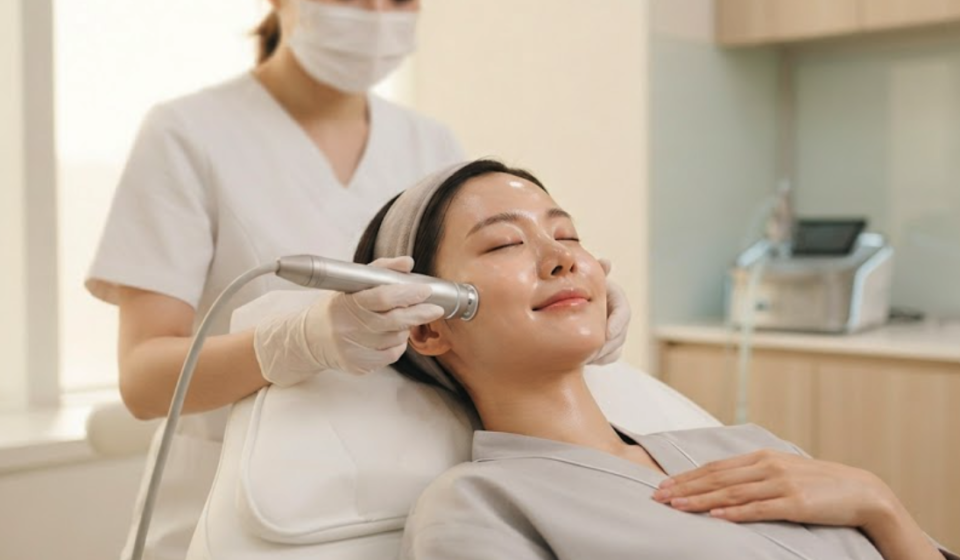
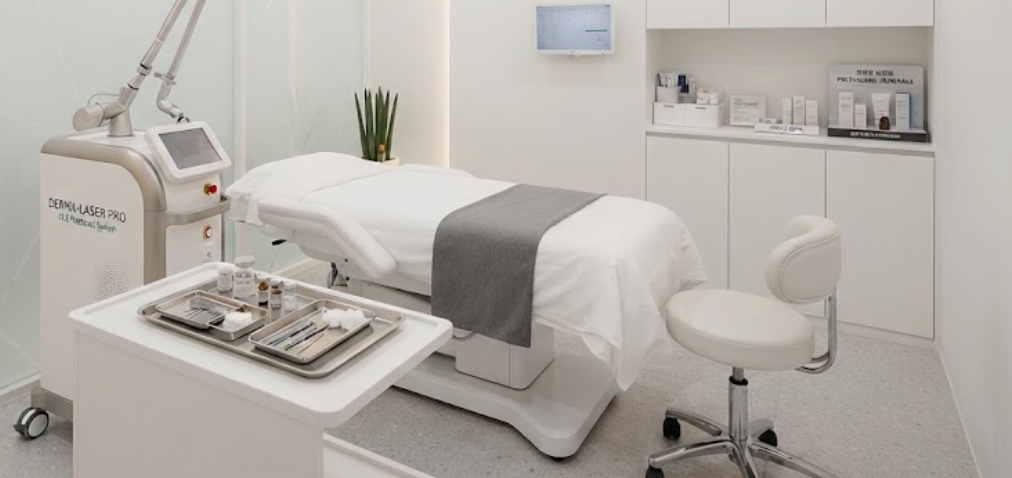
✔ Korean dermatology clinics use medical-grade technology
Lasers, ultrasound lifting, radiofrequency, microneedling — all supervised by doctors.
✔ Results are faster and more visible
Koreans prefer efficiency and measurable improvement.
✔ Clinics are safer
Licensed doctors, sterile environments, regulated procedures.
✔ Prices are surprisingly affordable
Laser toning in Korea can cost less than a facial in the U.S. or Europe.
✔ Clinics offer customized plans
Skin analysis → tailored treatments → long-term care.
This is why dermatology became the default choice for skincare.
🏥 3. Why Dermatology Clinics Are Everywhere in Seoul
Seoul’s beauty infrastructure is unmatched.
Especially in:
- Gangnam (premium clinics)
- Sinsa / Garosu-gil (trend-driven clinics)
- Hongdae (affordable clinics for students)
- Jamsil / Songpa (family-oriented clinics)
The density is so high that in Gangnam alone, you can find over 500 dermatology and aesthetic clinics within a few blocks.
This creates:
- competition → better service
- innovation → new technology
- affordability → lower prices
- accessibility → easy walk-in visits
Koreans don’t need to “search” for a clinic.
They simply walk outside.
👩⚕️ 4. The Korean Skin Philosophy: Texture Over Makeup
Korean beauty culture values:
- smooth texture
- even tone
- tight pores
- natural glow
- healthy skin
Makeup is secondary.
This philosophy drives Koreans to invest in:
- laser toning
- pore tightening
- acne scar treatment
- redness reduction
- hydration injections
- collagen stimulation
Dermatology is the fastest way to achieve these results.
Foreigners often say:
“Koreans don’t rely on makeup — their skin is actually good.”
That’s because clinics are part of their routine.
💡 5. Why Koreans Start Dermatology in Their Teens and 20s
In many countries, anti-aging starts at 35–40.
In Korea, it starts at 20–25.
Why?
✔ Prevention is better than correction
Koreans believe early care prevents future wrinkles and pigmentation.
✔ Competitive social environment
Skin quality affects dating, job interviews, and social perception.
✔ K-pop & K-drama influence
Celebrities with flawless skin set the standard.
✔ Affordable treatments
Students can get monthly laser toning without breaking the bank.
✔ Cultural normalization
Parents often encourage their children to visit dermatology clinics for acne care.
This early start creates a lifelong skincare habit.
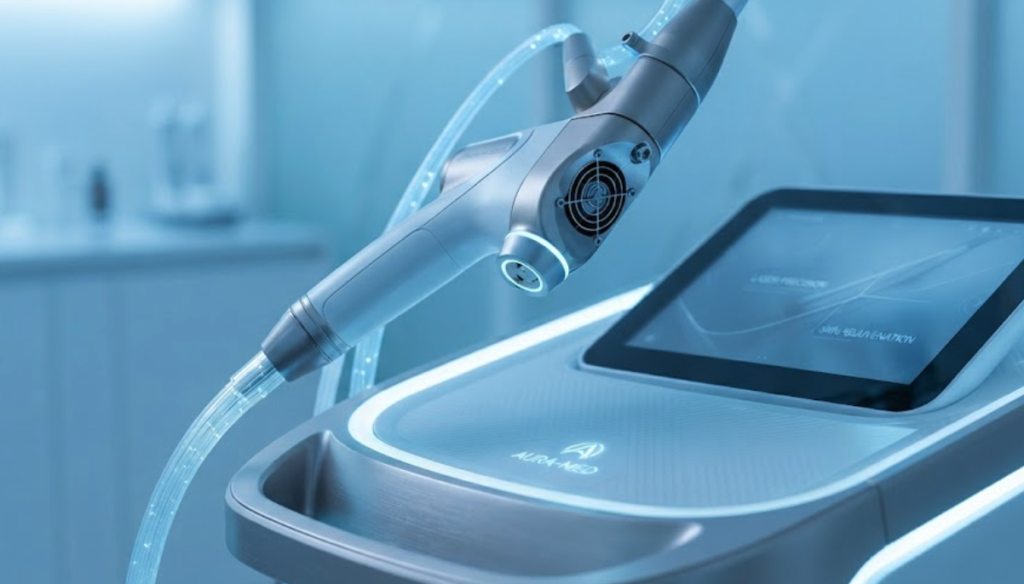
🔬 6. Korea’s Advanced Dermatology Technology
Korea is a global leader in beauty technology.
Clinics use:
- pico lasers
- fractional lasers
- RF microneedling
- ultrasound lifting (HIFU)
- LED therapy
- stem cell boosters
- collagen regeneration treatments
Korean dermatologists are known for:
- precision
- natural results
- minimal downtime
- fast recovery
- customized treatment plans
This is why foreigners trust Korean clinics more than their own country’s.
🌍 7. Why Foreigners Travel to Korea for Skin Treatments
Medical tourism is booming.
Foreigners come to Korea because:
✔ Treatments are cheaper
Laser toning in Korea: $40–$80
Laser toning in the U.S.: $200–$400
✔ Results are better
Korean clinics specialize in Asian skin types but treat all skin tones.
✔ Clinics offer English support
Consultants, translators, foreigner packages.
✔ Aftercare is exceptional
Cooling masks, LED therapy, swelling reduction.
✔ Technology is cutting-edge
Korea often adopts new devices years before other countries.
Foreigners often say:
“Korea is the best place in the world for skin.”
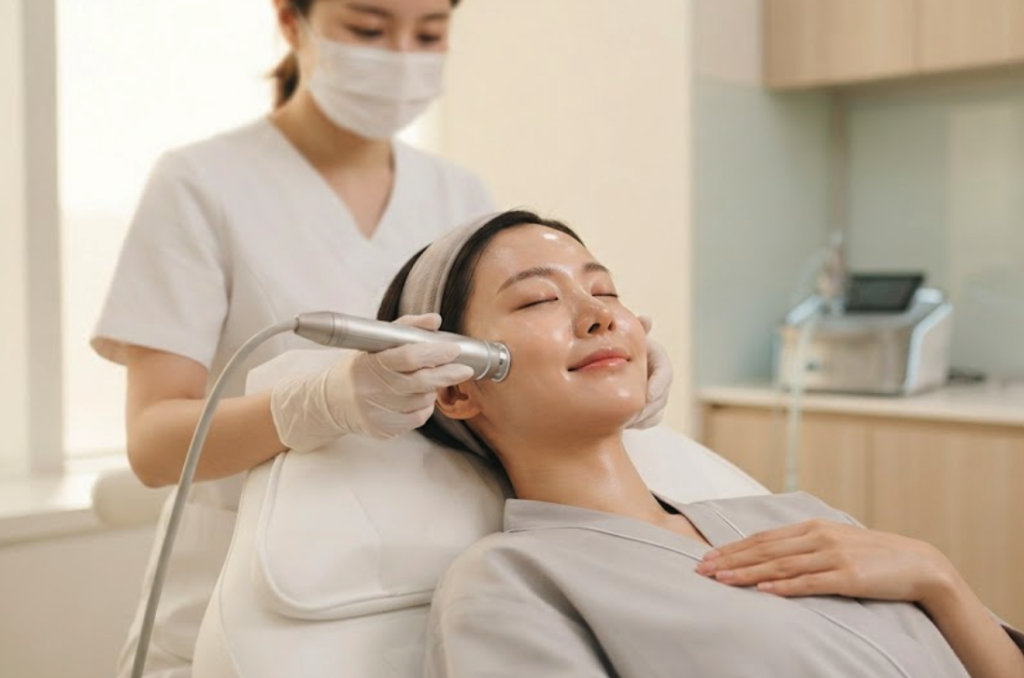
🧖 8. Dermatology as a Monthly Routine: The Korean Lifestyle
Many Koreans visit clinics:
- once a month
- every two weeks
- or even weekly (for small treatments)
Common routines include:
- laser toning
- acne care
- hydration injections
- pore tightening
- lifting treatments
- redness reduction
It’s not a luxury — it’s a lifestyle.
Just like:
- gym membership
- hair salon visits
- nail care
- skincare shopping
Dermatology is part of self-maintenance.
🏁 Conclusion: Why Dermatology Is Daily Life in Korea
Korean dermatology culture is built on:
- accessibility
- affordability
- advanced technology
- prevention
- subtle beauty philosophy
- social expectations
- K-pop influence
- normalized cosmetic care
Koreans don’t see dermatology as medical treatment.
They see it as professional skincare — a normal part of modern life.
This cultural shift is why Korea became the world’s skincare capital, and why Seoul’s dermatology clinics attract millions of locals and international visitors every year.
🔗 More About Korean Cosmetic Procedures