
Where everyday Seoul breathes between food stalls, warm voices, and timeless flavors
Seoul is a city that dazzles with modern architecture, neon-lit streets, and cafés that look like curated art spaces. It’s fast, polished, and endlessly inventive. But beneath the surface of this modern city lies a quieter, older rhythm—one that lives inside its traditional markets. These markets are not designed to impress. They don’t rely on trends, branding, or social media aesthetics. Instead, they offer something far more meaningful: a glimpse into Seoul’s everyday life, its warmth, its history, and its human heartbeat.
For many foreigners, traditional markets become the places where Seoul finally feels familiar. Not because they resemble home, but because they carry a universal sense of comfort—voices calling out prices, steam rising from pots, vendors greeting regulars, and the smell of food that feels grounding. Among the countless markets scattered across the city, three stand out for their quiet charm: Gwangjang Market, Tongin Market, and Mangwon Market. Each one holds a different mood, a different flavor, and a different story about Seoul.
Gwangjang Market: The Warm Chaos That Feels Like Home
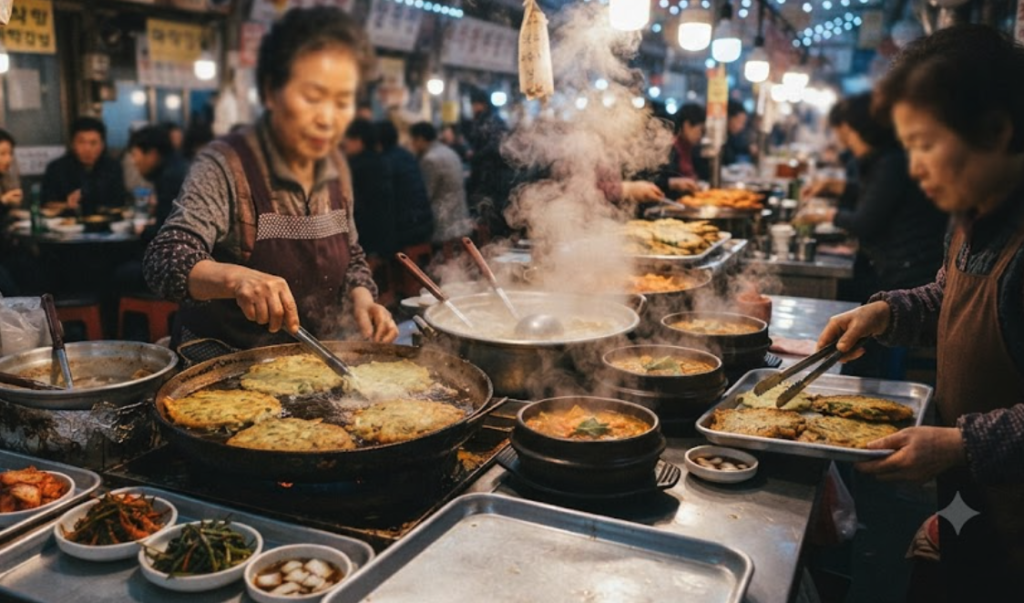
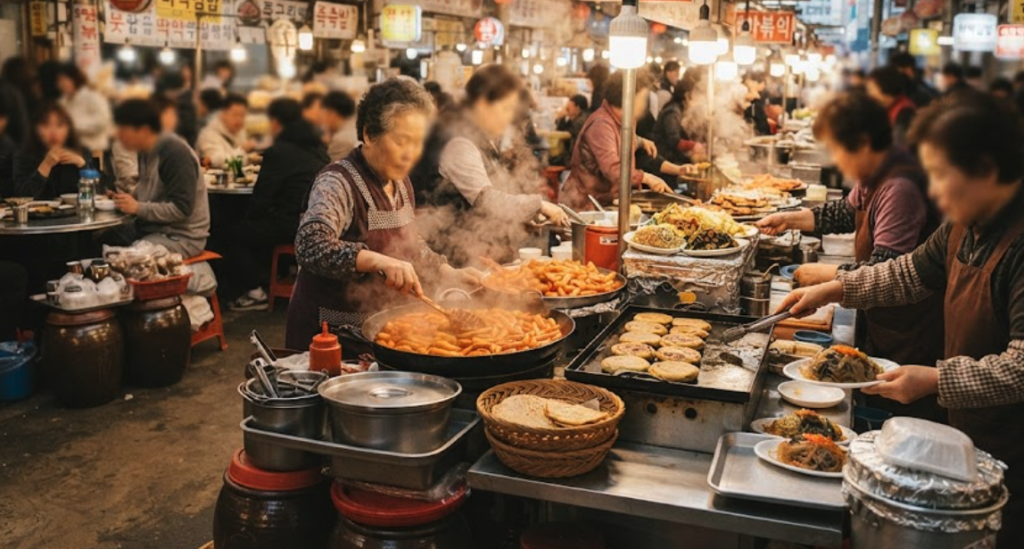
Gwangjang Market is often the first traditional market foreigners encounter, and it leaves a lasting impression. The moment you step inside, the air shifts. It becomes warmer, louder, more alive. The sizzling of jeon, the bubbling of tteokbokki, the rhythmic chopping of knife-cut noodles—these sounds blend into a kind of gentle chaos that feels strangely comforting.
Foreigners often describe Gwangjang as “the place where Seoul first felt real.” There’s something grounding about sitting at a narrow counter, shoulder to shoulder with strangers, while a vendor places a steaming bowl of mayak gimbap or hot bindaetteok in front of you. The food is simple, honest, and deeply satisfying. It’s not trying to be trendy or modern. It’s just good.
The vendors here have a way of making you feel welcome without saying much. A nod, a smile, a quick refill of broth—small gestures that carry warmth. Even if you don’t speak Korean, you feel understood. You feel included. And that’s the charm of Gwangjang: it doesn’t perform hospitality; it simply lives it.
As you walk deeper into the market, you notice the textures—metal counters worn smooth by decades of use, handwritten signs, stacks of bowls, and the soft glow of overhead lights reflecting off pots of simmering broth. Everything feels lived-in, familiar, and human. It’s a place where time doesn’t rush, even though the city outside never stops moving.
Tongin Market: A Slow, Nostalgic Walk Through Old Seoul
Tongin Market carries a different kind of charm. It’s quieter, softer, and more nostalgic. The alleys are narrower, the pace slower, and the vendors greet you with a calm familiarity that feels almost intimate. Foreigners often say Tongin Market feels like stepping into a small neighborhood where time moves gently.
The famous “dosirak café” is part of its magic. You receive a tray and a handful of old-style brass coins, then wander through the market choosing small dishes from different vendors. Each coin buys a taste of something homemade—kimchi, japchae, fried vegetables, braised meats. By the end, your tray becomes a mosaic of flavors that feel comforting and personal.
Tongin Market isn’t about spectacle. It’s about warmth. It’s about slowing down. It’s about tasting Seoul in its most humble form. The vendors here often chat with customers, asking where they’re from or recommending a dish with a gentle smile. There’s no rush, no pressure, no noise. Just the quiet charm of everyday life.
Foreigners love Tongin because it feels like a place where stories linger. The wooden signs, the old storefronts, the smell of freshly cooked food—it all feels like a preserved memory of Seoul before it became a global city. Walking through Tongin Market feels like reading a chapter of Seoul’s past, written in flavors instead of words.
Mangwon Market: Everyday Seoul, Unfiltered
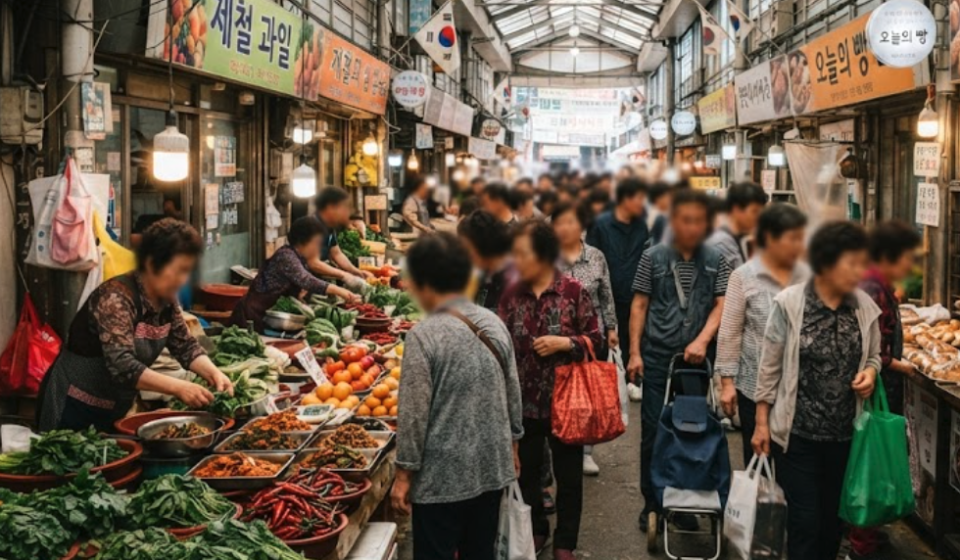
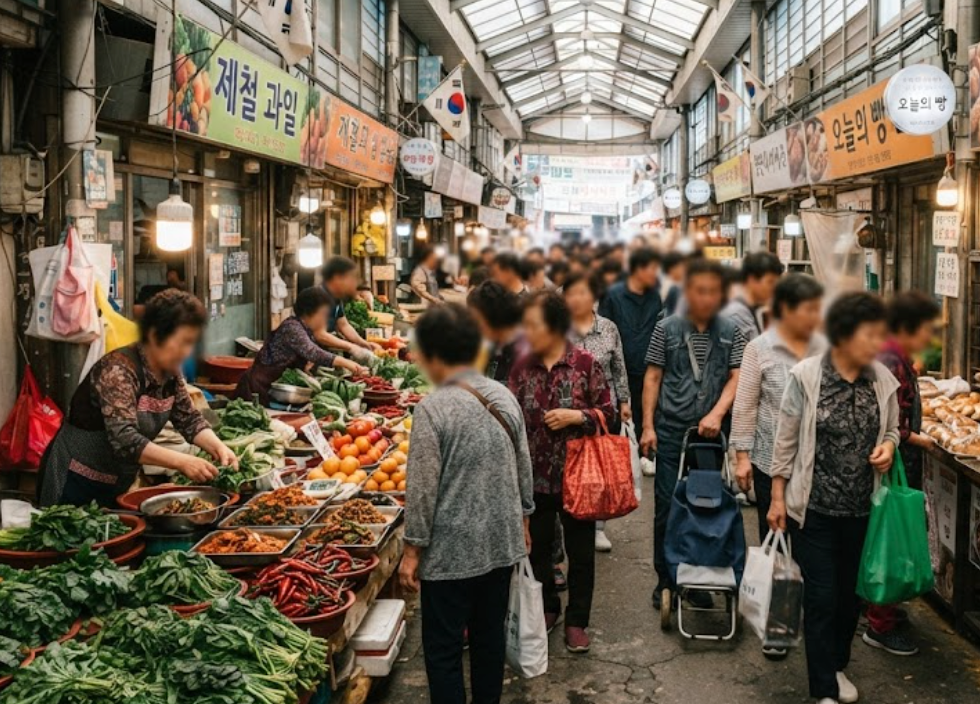
Mangwon Market is different from both Gwangjang and Tongin. It’s not a tourist attraction—it’s a neighborhood. And that’s exactly why foreigners fall in love with it. Mangwon Market feels lived-in, familiar, and wonderfully unpolished. It’s the kind of place where locals actually shop, where families buy groceries, where students grab snacks, and where elderly neighbors chat with vendors they’ve known for decades.
The market is full of life: fresh produce stacked in colorful piles, fishmongers calling out prices, bakeries with trays of warm bread, tteok shops displaying rows of rice cakes, and tiny stalls selling croquettes that disappear within minutes. The smells shift as you walk—sweet, savory, fried, fresh. It’s a sensory map of everyday Seoul.
Foreigners often say Mangwon is the first place where they felt like they were “inside” Seoul rather than just visiting it. There’s something grounding about watching locals go about their routines—buying fruit, picking up dinner ingredients, chatting with vendors. It’s a reminder that Seoul isn’t just a city of skyscrapers and cafés; it’s a city of neighborhoods, families, and daily rituals.
Mangwon Market doesn’t try to be charming. It just is. Its charm comes from authenticity, from the unfiltered rhythm of life that unfolds naturally. It’s a place where you can taste Seoul without the gloss, without the performance, without the curated experience. Just real food, real people, real moments.
Why Traditional Markets Feel So Comforting to Foreigners
There’s a quiet emotional pull in these markets. Maybe it’s the warmth of the vendors, the simplicity of the food, the way strangers sit close without discomfort, or the feeling that you’re witnessing everyday life rather than a staged version of it. Markets remind foreigners that Seoul isn’t just fast, modern, and efficient—it’s also human, warm, and deeply rooted in tradition.
Traditional markets offer something rare in modern cities: a sense of belonging. Even if you don’t speak the language, even if you’re just passing through, you feel included in the rhythm of the place. You feel connected to the city in a way that cafés and shopping districts can’t replicate.
Foreigners often say the same things:
“This tiny stall became my comfort place.”
“The vendor treated me like family.”
“I miss that market more than anything.”
“The best food I had in Seoul wasn’t famous—it was local.”
It’s always the small places. The quiet ones. The ones that don’t advertise. The ones that simply exist, waiting for you to find them.
The Heartbeat of Seoul Lives in Its Markets
If you want to understand Seoul, don’t just chase the famous restaurants or the trendy cafés. Walk into the markets. Follow the smell of broth. Listen to the voices. Watch the vendors work with practiced hands. Choose the place filled with locals. Sit down. Eat slowly. Let the city introduce itself through its food.
Because the real Seoul flavor lives in the hidden places—
in the warmth of Gwangjang,
in the nostalgia of Tongin,
in the everyday life of Mangwon.
These markets are not just places to eat.
They are places to feel.
Places to connect.
Places to understand Seoul in its most honest form.
And foreigners fall in love with them every single time.
🔗 Recommended External Link
Visit Seoul – Official Seoul Tourism Website (English)
https://english.visitseoul.net