
A comprehensive guide to Korea’s most important holidays and how they shape modern Korean culture.
Korean traditional holidays are more than days off—they are cultural anchors that connect modern Korean society to its history, values, and family traditions. Even in today’s fast-paced digital world, these holidays remain deeply meaningful. They influence how families gather, how people travel, what foods they eat, and how they celebrate their heritage.
For foreigners living in Korea or simply curious about Korean culture, understanding these holidays offers a window into the heart of Korean identity. This guide explores the major traditional holidays, their origins, customs, foods, and how they have evolved in modern times.
🌕 1. Chuseok (Korean Thanksgiving)
Chuseok is one of Korea’s biggest holidays—often compared to Thanksgiving. It is celebrated on the 15th day of the 8th lunar month, when the full moon is brightest.
Meaning & Origins
Chuseok is a harvest festival. Historically, families gathered to thank ancestors for a good harvest and share food made from freshly harvested crops.
Key Customs
- Charye (차례): Ancestral memorial ceremony
- Seongmyo (성묘): Visiting ancestral graves
- Beolcho (벌초): Cleaning the gravesite
- Family gatherings
- Traditional games
Traditional Foods
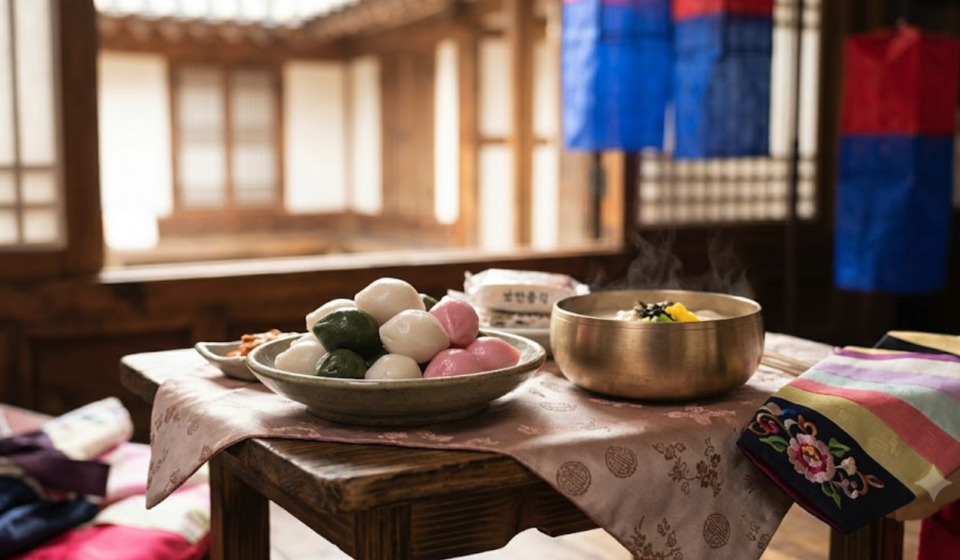
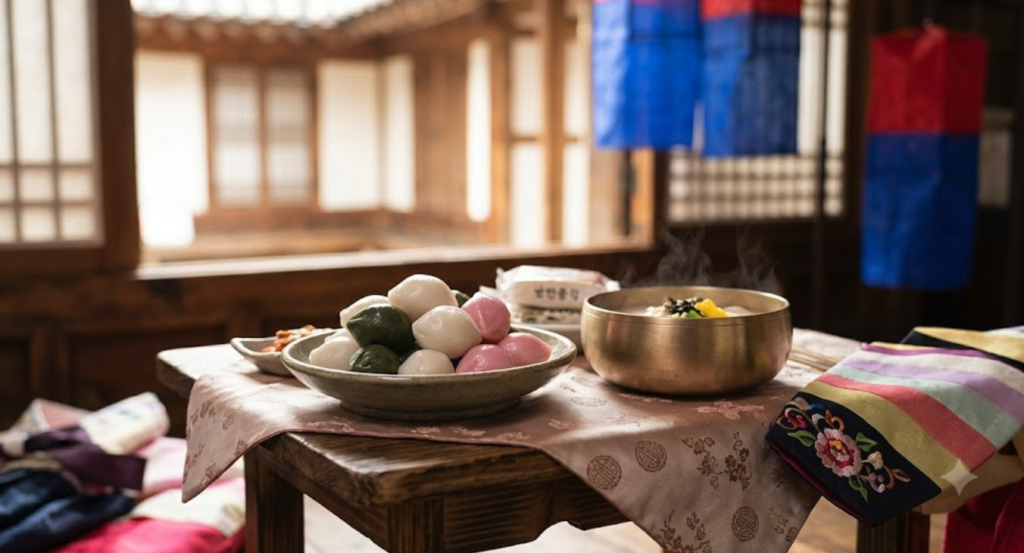
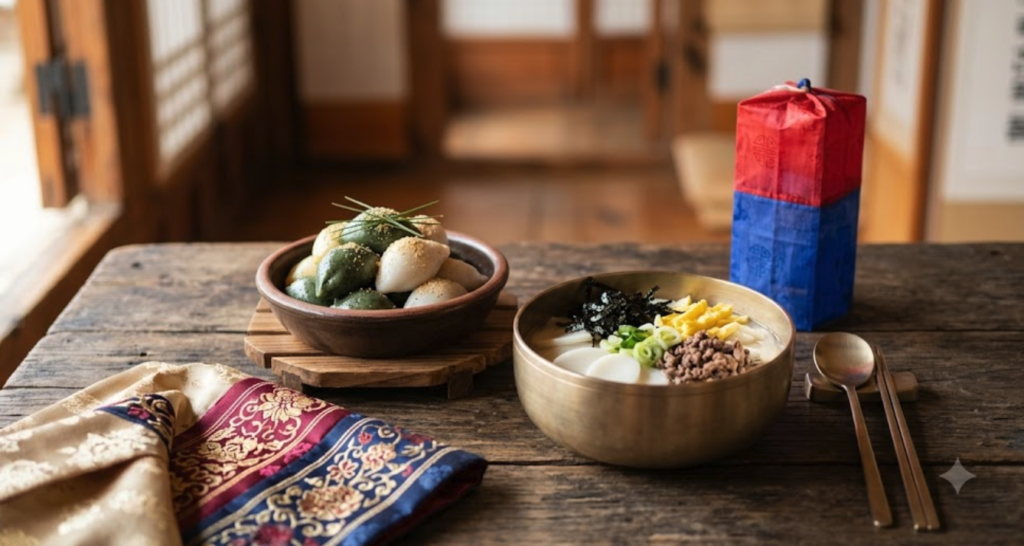
- Songpyeon (송편): Half-moon rice cakes
- Jeon (전): Korean-style pancakes
- Galbijjim (갈비찜): Braised short ribs
- Seasonal fruits
Modern Chuseok Trends
- Families travel across the country
- Highways become extremely crowded
- People exchange gift sets (fruit, meat, health supplements)
- Many skip traditional ceremonies and focus on rest
- Convenience stores sell “Chuseok gift boxes”
Chuseok blends tradition with modern lifestyle, making it one of Korea’s most culturally rich holidays.
🎎 2. Seollal (Lunar New Year)
Seollal is the most important traditional holiday in Korea. It marks the beginning of the lunar year and is celebrated with family gatherings, ancestral rituals, and traditional games.
Key Customs
- Charye (차례): Ancestral rites
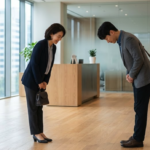
- Sebae (세배): Deep bow to elders
- Receiving New Year’s money (세뱃돈)
- Wearing hanbok (한복)
- Playing traditional games
Traditional Foods
- Tteokguk (떡국): Rice cake soup
Eating tteokguk symbolizes becoming one year older.
Traditional Games
- Yutnori (윷놀이)
- Jegichagi (제기차기)
- Tuho (투호)
Modern Seollal Trends
- Many families skip hanbok
- People travel domestically or internationally
- Gift sets include expensive items like premium beef or vitamins
- Younger generations prefer simple gatherings
Seollal remains a powerful symbol of family unity and cultural heritage.
🧧 3. Daeboreum (First Full Moon Festival)
Celebrated on the first full moon of the lunar year, Daeboreum focuses on health, luck, and protection.
Traditional Foods
- Ogokbap (오곡밥): Five-grain rice
- Bureom (부럼): Cracking nuts to bring good luck
- Kimchi and namul (나물)
Customs
- Jwibulnori (쥐불놀이): Burning dry grass to protect crops
- Dalmaji (달맞이): Watching the rising full moon
Today, Daeboreum is less widely celebrated but still recognized culturally.
🔥 4. Dano (Spring Festival)
Dano is celebrated on the 5th day of the 5th lunar month. It marks the end of spring and the beginning of summer.
Traditional Customs
- Washing hair in sweet flag water (창포물)
- Wearing colorful hanbok
- Traditional dances and performances
Foods
- Surichwi tteok (수리취떡)
- Herbal dishes
Dano is more symbolic today, with cultural festivals held in certain regions.
🌸 5. Buddha’s Birthday (석가탄신일)
Celebrated on the 8th day of the 4th lunar month, Buddha’s Birthday is a major holiday for temples across Korea.
Key Features
- Lantern festivals
- Temple visits
- Free meals offered to visitors
- Colorful decorations
Even non-Buddhists enjoy the lantern festivals, especially in Seoul.
🎏 6. Children’s Day (어린이날)
Celebrated on May 5, Children’s Day is a modern holiday focused on family and fun.
Activities
- Parks
- Zoos
- Amusement parks
- Gifts for children
It’s one of the busiest days for families.
🧓 7. Parents’ Day (어버이날)
Celebrated on May 8, this holiday honors parents.
Traditions
- Giving carnations
- Family meals
- Gifts
It’s similar to Mother’s Day and Father’s Day combined.
🎄 8. Christmas in Korea
Christmas is not a traditional holiday, but it’s widely celebrated.
Korean Christmas Culture
- Couples treat it like a romantic holiday
- Restaurants and cafés offer special menus
- Streets are decorated with lights
- Churches hold services
It’s a blend of Western and Korean culture.
🧭 9. How Traditional Holidays Shape Modern Korean Life
Family-centered culture
Holidays emphasize family unity and respect.
Travel culture
Millions travel across the country during major holidays.
Gift-giving culture
Holiday gift sets are a huge part of Korean retail.
Food culture
Traditional foods remain central to celebrations.
Cultural continuity
Even young Koreans maintain holiday traditions.
🌐 10. Tips for Foreigners During Korean Holidays
✔ Expect heavy traffic
✔ Book travel early
✔ Try traditional holiday foods
✔ Respect family customs
✔ Learn basic holiday greetings
✔ Enjoy cultural festivals