
A deep dive into Korea’s modern café lifestyle, social habits, and the cultural meaning behind the country’s booming coffee scene.
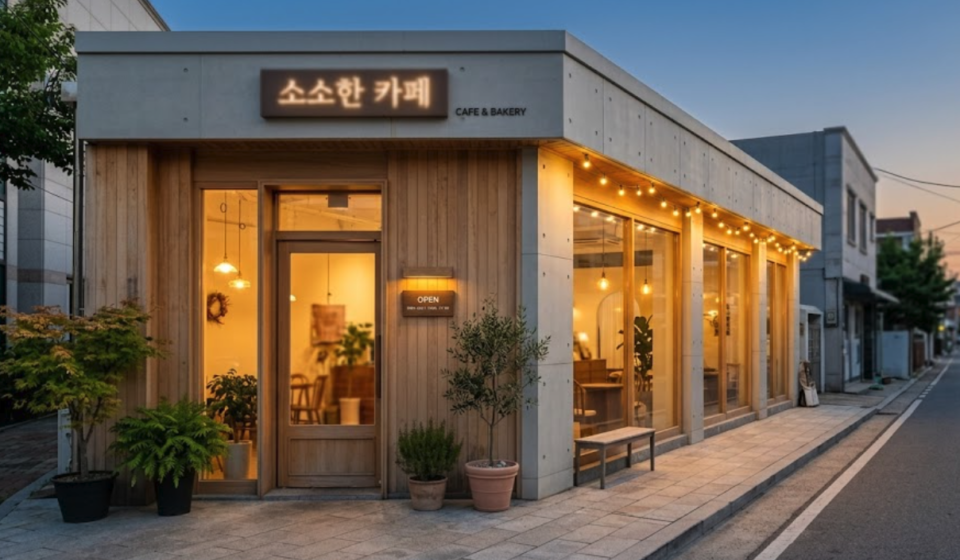
Korea’s café culture is one of the most distinctive and surprising aspects of modern Korean life. For many foreigners, the sheer number of cafés—on every street, in every neighborhood, sometimes multiple cafés in a single building—feels almost unbelievable. Korea has more cafés per capita than most countries in the world, and the café scene continues to grow every year.
But Korean café culture is not just about drinking coffee. It’s about lifestyle, identity, creativity, social connection, and even emotional comfort. Cafés in Korea serve as social hubs, study spaces, date spots, creative studios, and personal retreats. They reflect the fast-paced yet emotionally expressive nature of modern Korean society.
This guide explores why cafés are so important in Korea, how they became a cultural phenomenon, and what makes the Korean café experience so unique.
☕ 1. Korea’s Café Explosion: How It All Started
Korea’s café boom began in the early 2000s, but it accelerated dramatically in the 2010s. As Korea’s economy grew and urban life became more intense, cafés emerged as essential spaces for relaxation and socializing.
Key reasons for the café boom
- Rapid urbanization
- High population density
- Long working and studying hours
- Desire for comfortable social spaces
- Rise of Instagram and visual culture
- Growth of small business entrepreneurship
Cafés became places where people could escape stress, meet friends, or simply enjoy a quiet moment.
🧑💻 2. Cafés as Study Spaces: The Korean “Study Café” Phenomenon
In many countries, cafés are primarily social spaces.
In Korea, they are also study spaces.
Why Koreans study in cafés
- Homes can be noisy or crowded
- Libraries fill up quickly
- Cafés offer long hours and comfortable seating
- Unlimited Wi-Fi
- Affordable drinks
- A sense of productivity from ambient noise
Study cafés
Korea even has specialized “study cafés” with:
- Private study rooms
- Timed seating
- Silent zones
- Power outlets at every seat
- Paid hourly access
These cafés are extremely popular among students preparing for exams, job seekers studying for certifications, and even office workers.
💑 3. Cafés as Date Spots: Romance in a Cup
Korean couples often go to cafés for dates.
It’s one of the most common date activities.
Why cafés are romantic in Korea
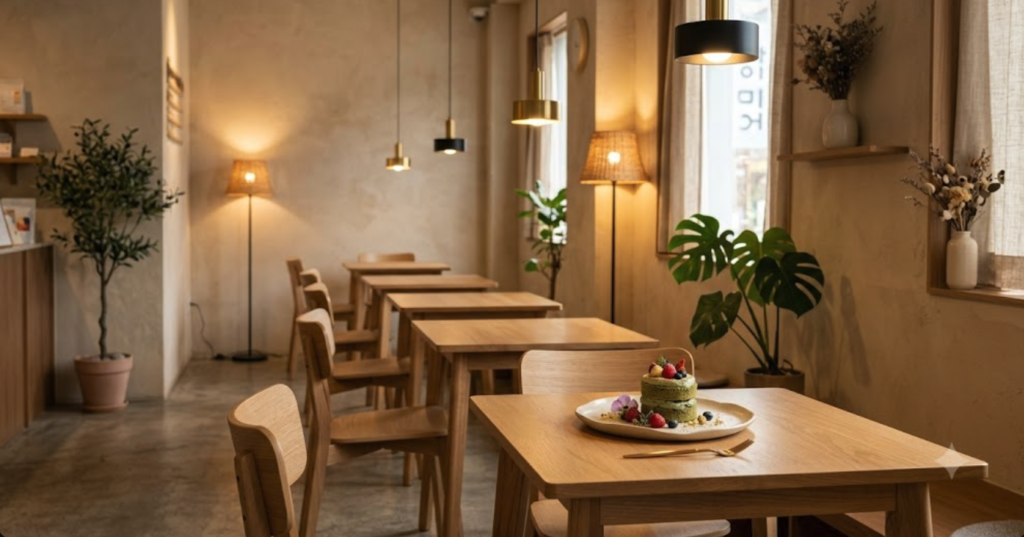
- Cozy atmosphere
- Beautiful interior design
- Seasonal drinks and desserts
- Photo-friendly spaces
- Quiet conversation-friendly environment
Many cafés intentionally design their spaces to be aesthetically pleasing, making them perfect for date photos.
🎨 4. Aesthetic Cafés: Interior Design as a Cultural Art Form
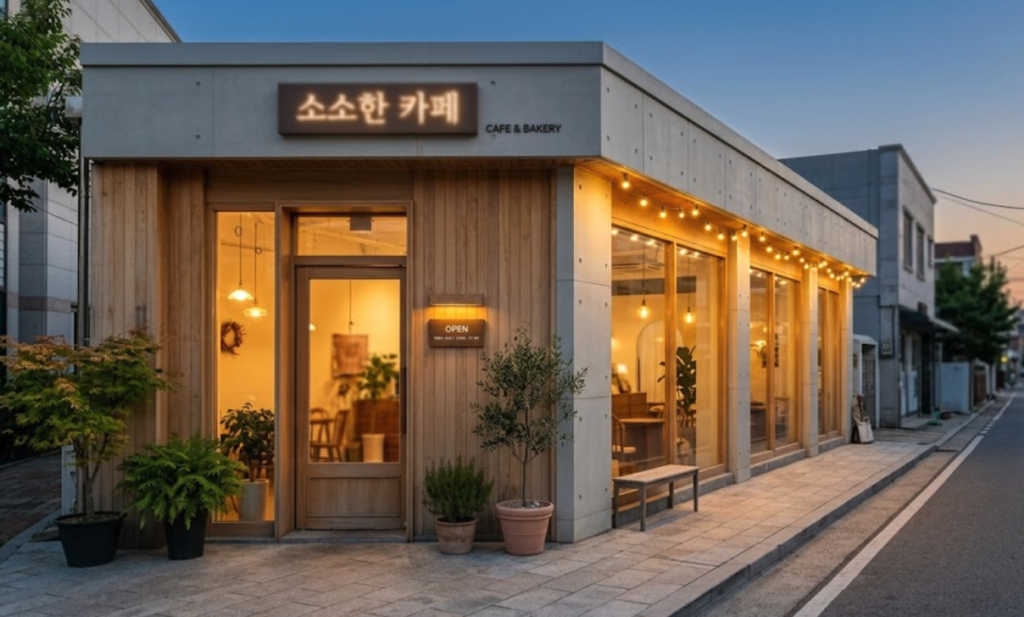
Korean cafés are famous for their interior design.
Some cafés look like art galleries, museums, or film sets.
Common design styles
- Minimalist white interiors
- Industrial concrete and steel
- Vintage European style
- Nature-inspired wood and plants
- Hanok (traditional Korean house) cafés
- Themed cafés (cats, characters, books, flowers)
Why aesthetics matter
Korea has a strong visual culture influenced by:
- K‑drama
- K‑pop
- Fashion trends
- Youth culture
People choose cafés not just for drinks, but for the vibe.
📸 5. Instagram Culture: “Photo Spots” Everywhere
Korean cafés often include designated “photo zones.”
Photo zone features
- Neon signs
- Flower walls
- Artistic backdrops
- Unique furniture
- Seasonal decorations
People take photos of:
- Drinks
- Desserts
- Interiors
- Their outfits
- Their friends
Café visits become part of personal branding and social media identity.
🍰 6. Korean Desserts: A Culture of Sweet Creativity
Korean cafés are known for their desserts, which are often elaborate and visually stunning.
Popular café desserts
- Strawberry cakes
- Tiramisu
- Soufflé pancakes
- Croffles (croissant + waffle)
- Bingsu (shaved ice)
- Matcha desserts
- Seasonal fruit tarts
Desserts are often crafted like artwork, making them perfect for photos.
🏙️ 7. Neighborhood Cafés: Every Area Has Its Own Style
Different neighborhoods in Seoul have distinct café cultures.
Hongdae
- Youthful
- Trendy
- Experimental designs
Gangnam
- Luxury cafés
- High-end desserts
- Stylish interiors
Itaewon
- International vibes
- Fusion menus
- Artistic spaces
Seongsu
- Industrial chic
- Warehouse cafés
- Creative concepts
Bukchon & Ikseon-dong
- Hanok cafés
- Traditional Korean tea
- Vintage aesthetics
Each neighborhood offers a unique café experience.
🧘 8. Cafés as Emotional Spaces: Comfort, Healing, and “Small Happiness”
Korean cafés often serve as emotional retreats.
Why cafés feel comforting
- Warm lighting
- Soft music
- Friendly staff
- Cozy seating
- Quiet atmosphere
Many Koreans visit cafés alone to:
- Relax
- Reflect
- Write
- Read
- Escape stress
Cafés provide a sense of calm in a busy society.
🛍️ 9. Café Goods & Merch: A Growing Trend
Some cafés sell:
- Mugs
- Tumblers
- Stickers
- Tote bags
- Coffee beans
- Seasonal merchandise
These items become part of personal identity and lifestyle.
🧑🍳 10. Independent Cafés vs. Chains: A Unique Balance
Korea has both large chains and countless independent cafés.
Popular chains
- Starbucks
- A Twosome Place
- Mega Coffee
- Compose Coffee
- Ediya Coffee
Independent cafés
- More creative
- More aesthetic
- More unique menus
- Often run by young entrepreneurs
The balance creates a diverse café ecosystem.
🌐 11. Why Korea Has So Many Cafés: The Cultural Reasons
✔ High population density
✔ Long study/work hours
✔ Need for comfortable social spaces
✔ Strong visual culture
✔ Entrepreneurship opportunities
✔ Café culture as lifestyle
✔ Emotional comfort in busy cities
Cafés are not just businesses—they are cultural symbols.
🧭 12. Tips for Foreigners Exploring Korean Café Culture
✔ Try seasonal menus
✔ Visit themed cafés
✔ Explore different neighborhoods
✔ Try Korean-style desserts
✔ Enjoy studying or reading in cafés
✔ Take photos—it’s part of the culture
✔ Visit hanok cafés for traditional vibes