
Inside the culture, identity, and seasonal magic of Korea’s nonstop celebration city
Seoul is no longer just a modern Asian metropolis filled with skyscrapers, cafés, and neon lights.
It is becoming something far more unique — a city that celebrates all year long.
According to the Seoul Metropolitan Government, the capital is officially branding itself as a “365-Day Festival City,” connecting major seasonal festivals into one continuous cultural experience.
This means that whether it’s spring, summer, autumn, or winter, Seoul transforms into a massive celebration zone filled with performances, fireworks, fashion shows, river festivals, and cultural events.
But why do Koreans love festivals so much?
And why is Seoul turning into one of the world’s most event-driven cities?
This article explores the cultural meaning behind Korea’s festival obsession — and why Seoul feels different every month.
🌸 1. Spring: Cherry Blossoms, Outdoor Culture, and Seoul’s Seasonal Awakening
Spring in Seoul is not just a season — it’s a cultural reset.
As cherry blossoms bloom across Yeouido, Seokchon Lake, and the royal palaces, millions of people gather to celebrate the arrival of warm weather.
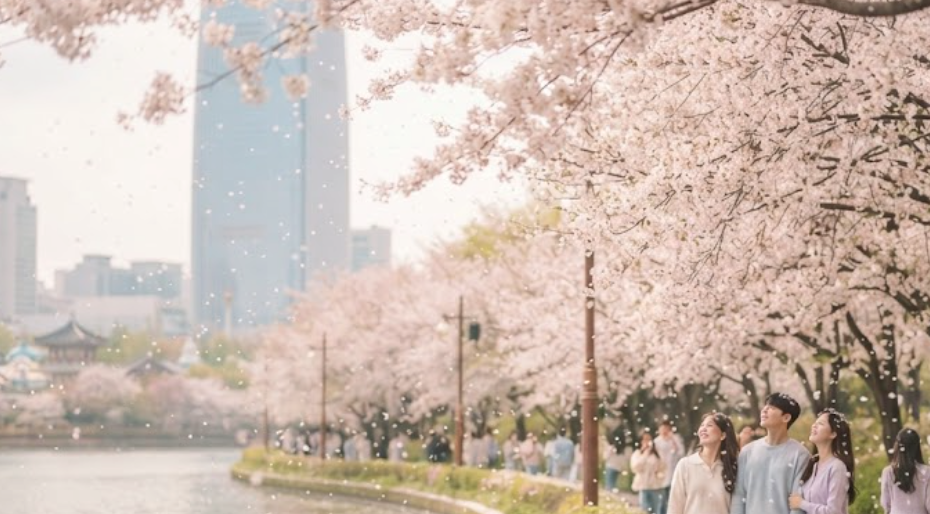
The city’s official Seoul Spring Festival blends K-content, performances, and tourism into a massive cultural event held across Hangang parks.
Spring festivals symbolize:
- new beginnings
- outdoor socializing
- romantic seasonal traditions
- the start of Seoul’s festival calendar
Foreigners often say Seoul feels “reborn” in spring — and they’re right.
🔥 2. Summer: Hangang Festivals, Night Markets, and High-Energy Events
Summer in Seoul is defined by the Hangang River.
The city officially designated the river as a major festival venue, hosting sports events, concerts, drone shows, and night markets.
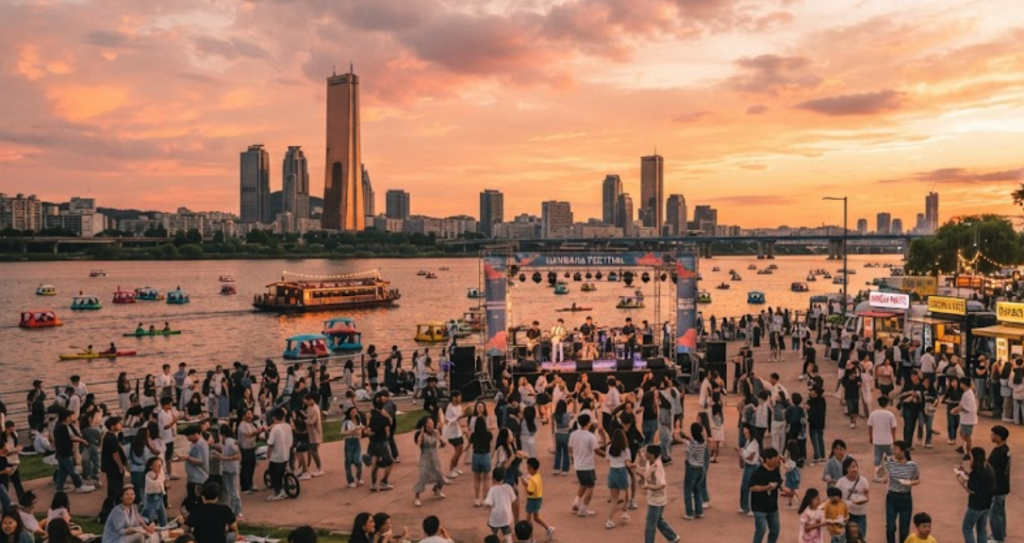
One of the biggest summer events is the MY PACE Hangang Triathlon Festival, a participatory sports festival designed for all fitness levels.
It includes swimming, cycling, and running — turning the river into a giant playground for locals and tourists.
Summer festivals represent:
- community participation
- active lifestyle
- Seoul’s love for outdoor nightlife
- the city’s youthful, energetic identity
Seoul truly becomes a “fun city” during summer nights.
🍁 3. Autumn: Fireworks, Fashion Week, and Seoul’s Cultural Peak
Autumn is arguably Seoul’s most beautiful season — and its busiest.
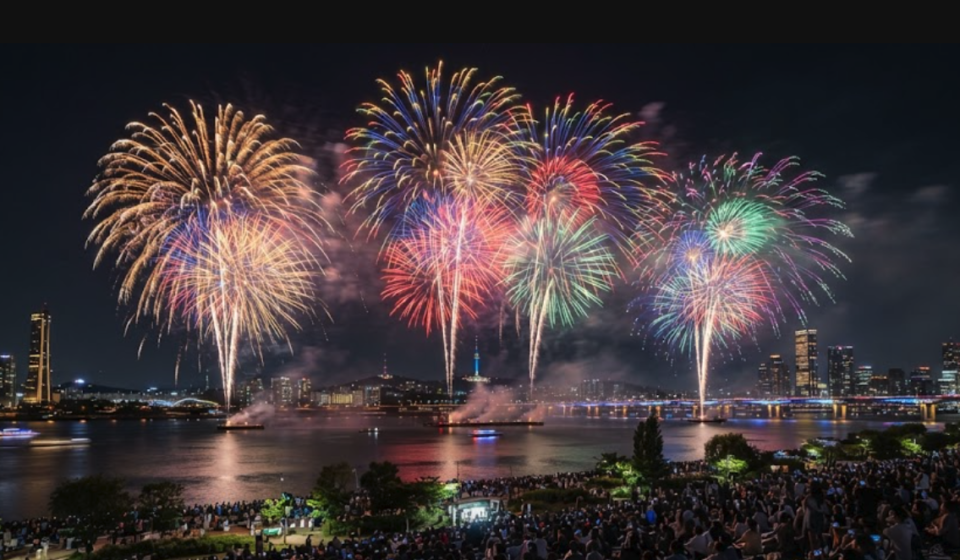
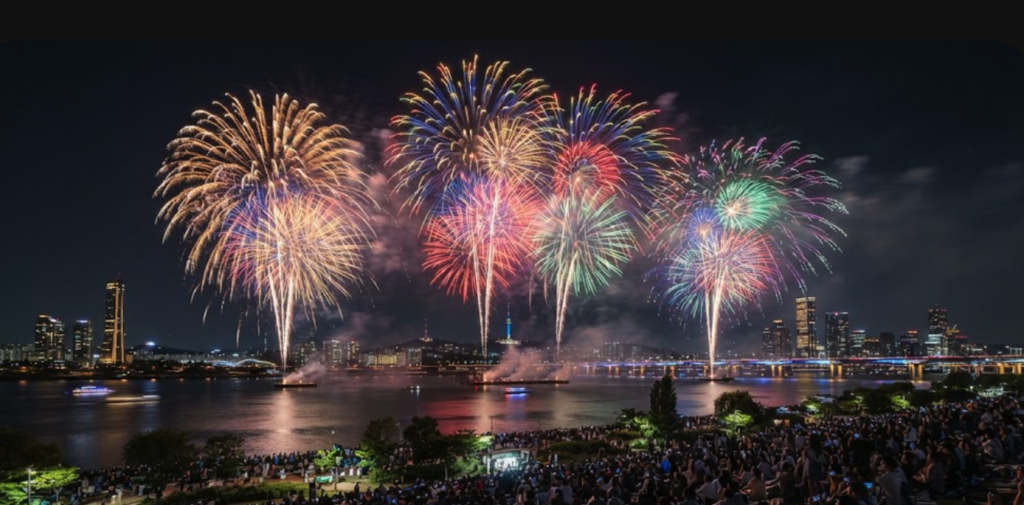
🎆 Seoul International Fireworks Festival
Millions gather at Yeouido Hangang Park to watch fireworks explode over the river.
It’s one of Korea’s most iconic annual events.
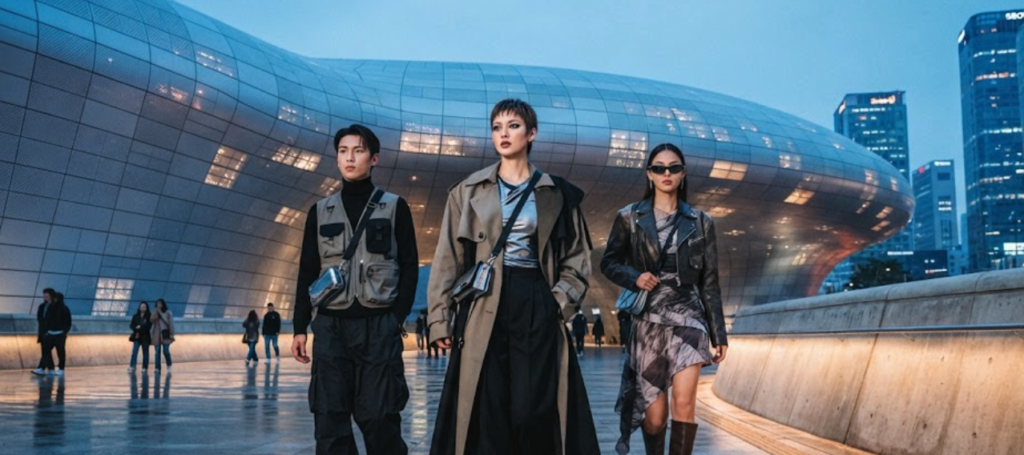
👗 Seoul Fashion Week
Held at Dongdaemun Design Plaza (DDP), this event attracts global designers, influencers, and media.
It showcases Korea’s fashion identity and Seoul’s creative culture.
🎭 Seoul Autumn Festival
The city hosts over 200 performing arts events, from theater to dance to street performances.
Autumn festivals symbolize:
- artistic expression
- cultural pride
- Seoul’s global creative influence
- the city’s transformation into a cultural hub
This is when Seoul feels like a world-class cultural capital.
❄️ 4. Winter: Lights, Markets, and Seoul’s Holiday Magic
Winter in Seoul is cold — but never quiet.
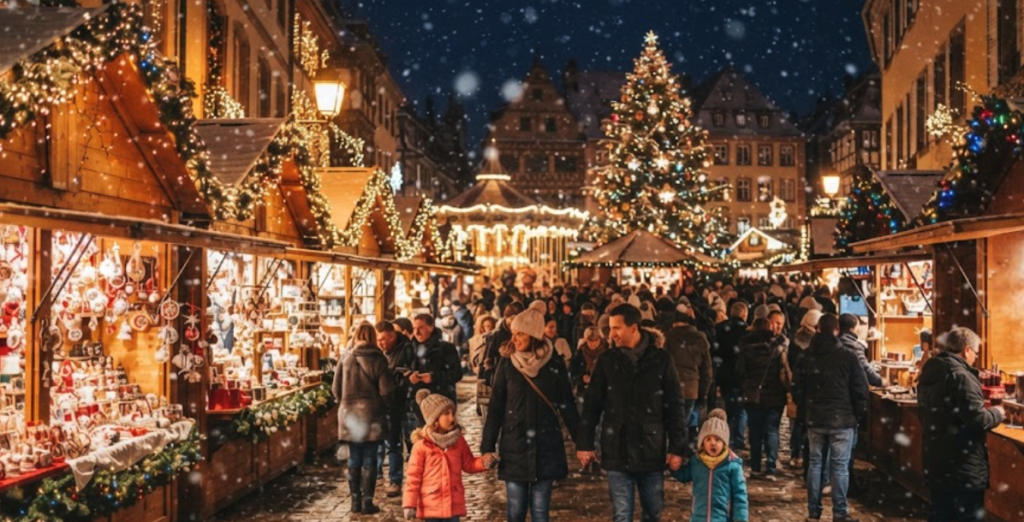
The Seoul Winter Festival has become one of the city’s most popular events, attracting over 10 million visitors.
From light shows to holiday markets, Seoul turns into a glowing winter wonderland.
Winter festivals represent:
- warmth in community
- holiday traditions
- cozy cultural experiences
- Seoul’s ability to stay lively even in freezing weather
Winter proves that Seoul’s festival culture never stops.
🎡 5. Why Koreans Love Festivals: The Cultural Meaning Behind the Celebration
Koreans don’t just attend festivals — they live through them.
Here’s why festivals are such a big part of Korean culture:
✔ 1) Community & togetherness
Korean society values shared experiences.
Festivals create spaces where people gather, connect, and celebrate.
✔ 2) Seasonal identity
Each season in Korea has a distinct cultural flavor.
Festivals help express that identity.
✔ 3) Stress relief in a fast-paced city
Seoul is intense — fast work culture, fast transportation, fast lifestyle.
Festivals offer emotional release.
✔ 4) A love for aesthetics & performance
Korea excels at visual culture: fireworks, fashion, K-pop, design.
Festivals are the perfect stage.
✔ 5) Tourism & global branding
Seoul uses festivals to strengthen its global image as a cultural destination.
The “Fun Seoul” brand is part of this strategy.
🌆 6. Seoul: The World’s New Festival Capital
Seoul’s festival attendance skyrocketed from 80,000 people in 2022 to 13 million in 2025 — an unbelievable jump.
Social media views for Seoul’s festivals reached 340 million, proving global interest.
The city is actively:
- expanding festival venues
- connecting seasonal events
- building festival maps & calendars
- encouraging citizen participation
- boosting tourism & local economy
Seoul is not just hosting festivals —
it is becoming a festival-driven city.
🎬 7. Conclusion: Seoul Celebrates Life All Year Long
Seoul’s transformation into a 365-day festival city is more than a tourism strategy.
It reflects the cultural heart of Korea:
- community
- creativity
- seasonal beauty
- celebration
- emotional connection
Koreans celebrate because festivals bring joy, identity, and togetherness.
And Seoul — with its river, parks, palaces, and neon skyline — is the perfect stage.
This is why Seoul truly turns into a festival city.