
A deep exploration of Korea’s monastic traditions, meditation culture, and the modern transformation of temple retreats.
Korean Temple Stay programs offer one of the most immersive cultural experiences in Asia. They allow visitors—both Koreans and foreigners—to step into the peaceful world of Buddhist monastic life, far away from the noise and speed of modern cities. Unlike typical tourist activities, Temple Stay is a cultural, spiritual, and emotional experience that connects participants to Korea’s ancient traditions, natural landscapes, and contemplative practices.
For many travelers, Temple Stay becomes the most memorable part of their trip to Korea. It offers a rare chance to slow down, breathe deeply, and experience a lifestyle shaped by mindfulness, simplicity, and centuries-old wisdom.
This guide explores why Korean Temple Stay is so unique, what participants can expect, and how this cultural experience reflects the deeper values of Korean society.
🏯 1. What Is Korean Temple Stay?
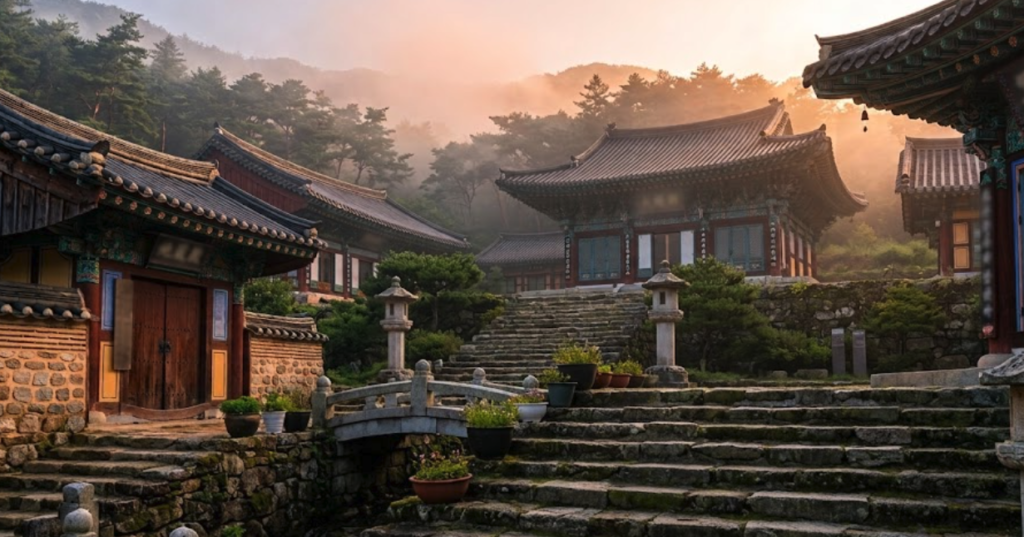
Temple Stay is a cultural program that allows visitors to stay overnight at Buddhist temples in Korea. It began in 2002 during the FIFA World Cup, when temples opened their doors to international visitors. Since then, it has grown into a nationwide cultural initiative supported by the Jogye Order of Korean Buddhism.
Temple Stay offers:
- Meditation sessions
- Buddhist ceremonies
- Tea rituals
- Monastic meals
- Nature walks
- Chanting practices
- Cultural lectures
- Overnight stays in temple rooms
It is not a luxury retreat—it is a cultural immersion into monastic life.
🌄 2. Why Temple Stay Is So Unique in Asia
Many Asian countries have Buddhist temples, but Korea’s Temple Stay program stands out for several reasons.
1) Structured cultural program
Korea has an official, organized Temple Stay system with:
- Standardized programs
- English-speaking staff
- Clear schedules
- Cultural explanations
- Safety guidelines
This makes it accessible for foreigners.
2) Deep integration with Korean history
Korean Buddhism has shaped:
- Architecture
- Art
- Food
- Philosophy
- Rituals
- Daily life
Temple Stay allows visitors to experience these traditions directly.
3) Natural environments
Most temples are located in:
- Mountains
- Forests
- Valleys
- National parks
The scenery itself becomes part of the experience.
4) Emotional healing culture
Korea has a strong culture of emotional expression and healing.
Temple Stay aligns perfectly with this cultural value.
🧘 3. Meditation: The Heart of Temple Stay
Meditation is the core of Temple Stay.
Participants learn how monks practice mindfulness in daily life.
Types of meditation
- Seon meditation (Zen)
- Breathing meditation
- Walking meditation
- Chanting meditation
- Nature meditation
Why meditation feels different in Korea
Korean temples emphasize simplicity and silence.
The environment—mountains, wind, birds, distant chanting—creates a powerful sense of calm.
Foreigners often describe Temple Stay meditation as:
- Grounding
- Emotional
- Transformative
- Surprisingly accessible
🍵 4. Tea Ceremony: Slow Living in a Fast Society
The Korean Buddhist tea ceremony (다도) is one of the most beloved parts of Temple Stay.
What happens during tea ceremony
- Participants sit with a monk
- Tea is prepared slowly and mindfully
- Conversation is gentle and reflective
- Silence is part of the ritual
Why it’s meaningful
Korea is a fast-paced society.
The tea ceremony teaches:
- Slowness
- Presence
- Gratitude
- Awareness
It’s a cultural antidote to modern stress.
🍚 5. Monastic Meals: Barugongyang (발우공양)
Barugongyang is the traditional Buddhist monastic meal ritual.
Key principles
- Eat in silence
- Appreciate food
- Waste nothing
- Clean your bowl with water
- Share gratitude
Foods typically served
- Rice
- Soup
- Vegetables
- Kimchi
- Simple side dishes
The meal is humble but deeply meaningful.
🔔 6. Temple Rituals: Chanting, Bells, and Ceremonies
Temple Stay includes participation in Buddhist rituals.
Common rituals
- Morning chanting
- Evening chanting
- Bell ringing
- Drum ceremonies
- Lotus lantern lighting
These rituals connect participants to centuries-old traditions.
🌳 7. Nature: The Silent Teacher
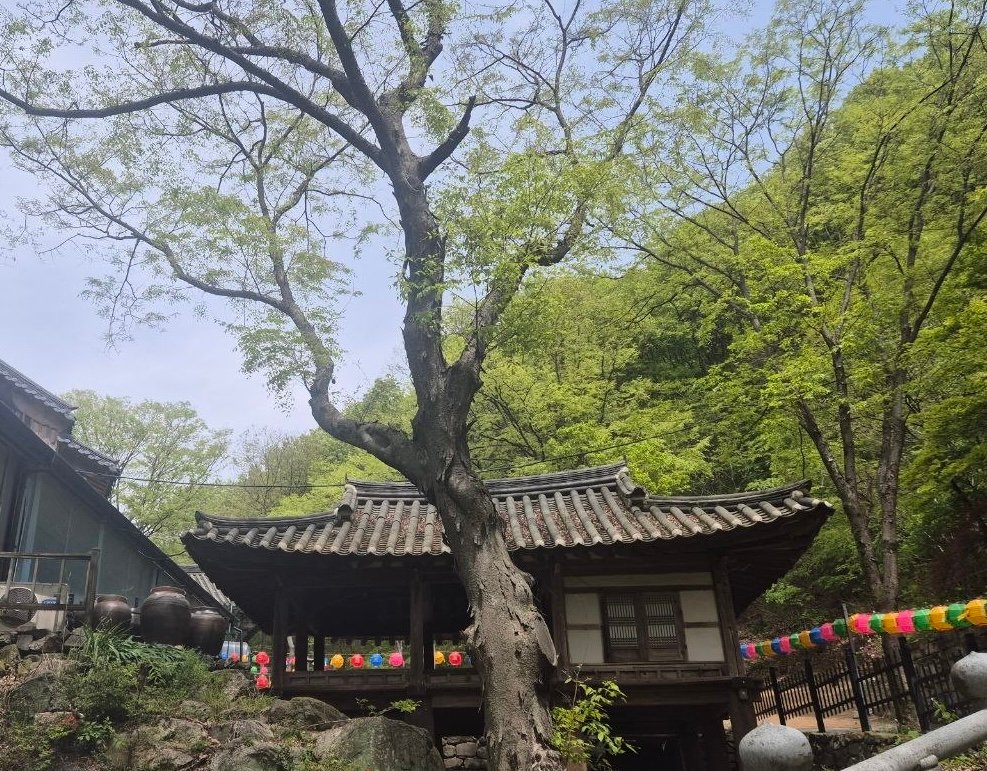
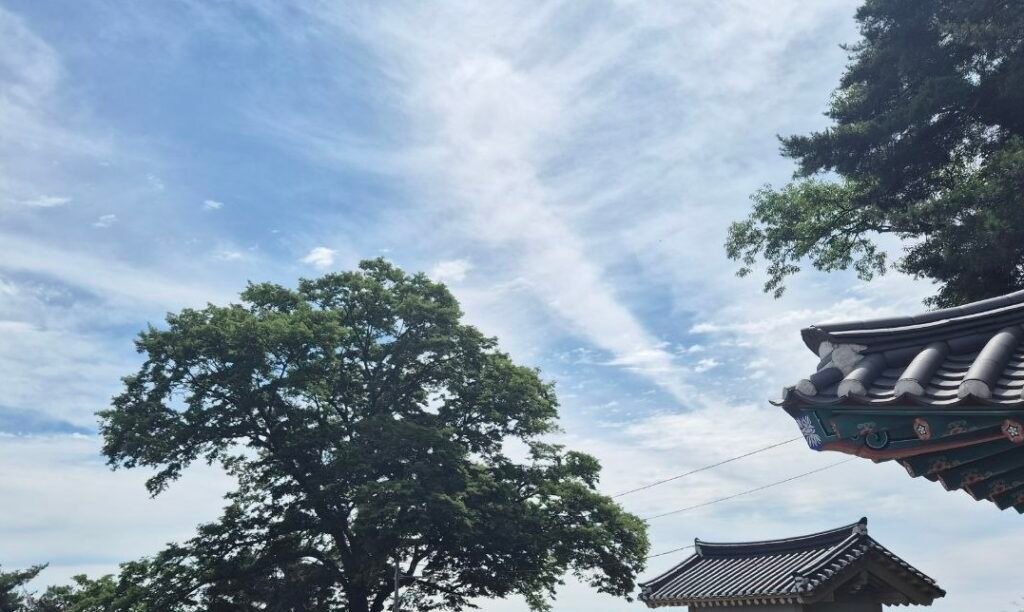
Korean temples are almost always located in nature.
Temple environments include:
- Mountain trails
- Forest paths
- Streams
- Stone bridges
- Ancient trees
Nature becomes part of the meditation experience.
🛏️ 8. Sleeping in a Temple: Simple, Peaceful, and Authentic
Temple Stay accommodations are simple.
Typical room features
- Floor bedding
- Minimal furniture
- Wooden floors
- Quiet atmosphere
It’s not luxury—it’s authenticity.
🧑🏫 9. Monks as Teachers: Wisdom Through Conversation
Many Temple Stay programs include Q&A sessions with monks.
Topics often discussed
- Life balance
- Stress
- Happiness
- Korean Buddhism
- Meditation techniques
Monks often share gentle, practical wisdom.
🧭 10. What You Learn from Temple Stay
✔ How to slow down
✔ How to breathe mindfully
✔ How to appreciate silence
✔ How Korean Buddhism shapes culture
✔ How nature supports healing
✔ How simplicity brings clarity
✔ How Korean traditions remain alive today
Temple Stay is not just a cultural experience—it’s a personal transformation.
🌐 11. Why Foreigners Love Temple Stay
Foreign visitors often say Temple Stay is:
- The most peaceful experience in Korea
- A break from city noise
- A chance to understand Korean spirituality
- A meaningful cultural immersion
- A unique Asian experience unlike any other
It’s a cultural highlight for many travelers.
🧳 12. Tips for Foreigners Doing Temple Stay
✔ Bring comfortable clothes
✔ Follow the schedule
✔ Respect silence
✔ Try all activities
✔ Ask questions
✔ Enjoy nature
✔ Keep an open mind