
A deep, modern, and realistic guide to what campus life in Korea truly feels like.
Korean university culture is vibrant, emotional, and full of traditions that blend modern youth culture with long-standing social customs. For many foreigners, Korean universities feel surprisingly energetic—almost like small cities with their own rules, communities, and rhythms. From massive festivals featuring K‑pop idols to intense exam seasons, from club activities that feel like families to MT trips that build lifelong friendships, Korean campus life is a world of its own.
This guide explores the core elements of Korean university culture in depth, giving you a realistic picture of what students experience and why these traditions matter.
🎉 1. University Festivals (대학 축제): The Heartbeat of Campus Life
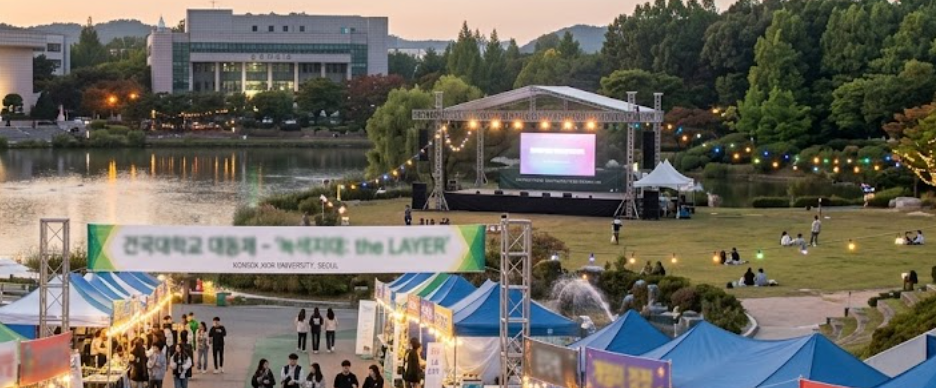
Korean university festivals are not small gatherings—they’re huge, multi-day events that transform campuses into lively, colorful spaces filled with music, food, and crowds. If you visit a university during festival season, you might think you’ve walked into a street market mixed with a concert venue.
What happens during festivals?
- Food booths (부스) run by student clubs
- Beer tents (주점) operated by departments
- Games and mini-events hosted by student councils
- Outdoor stages with performances
- Celebrity concerts featuring real K‑pop idols
These festivals usually take place in May (spring festival) or September–October (fall festival). Students prepare for weeks, designing booths, rehearsing performances, and organizing events.
Why festivals matter culturally
Festivals are more than entertainment—they’re a symbol of youth freedom in Korea.
High school life in Korea is famously intense, with long study hours and strict schedules. University festivals represent the opposite: freedom, creativity, and social connection.
K‑pop at universities
It’s common for universities to invite major artists:
- IU
- NewJeans
- Zico
- AKMU
- Aespa
- Jay Park
- Crush
These concerts are free for students, and even outsiders sometimes sneak in to watch.
The atmosphere
Imagine thousands of students sitting on the grass, holding light sticks, singing along to famous artists, eating street food, and laughing with friends. It’s one of the most iconic experiences of Korean university life.
🏫 2. Clubs & Circles (동아리): The Social Backbone of Campus Life
Clubs are central to Korean university culture. They’re not just hobby groups—they’re communities that shape students’ social lives.
Types of clubs
- Performance clubs: dance, band, hip-hop, theater
- Sports clubs: soccer, basketball, badminton, taekwondo
- Academic clubs: business, coding, debate, economics
- Creative clubs: photography, film, design
- Volunteer clubs: community service, charity events
- Religious clubs: Christian, Buddhist, Catholic groups
Why clubs are important
- They help students make friends
- They create a sense of belonging
- They host events, trips, and performances
- They often become a student’s main social circle
- Many students stay in the same club for all four years
Foreign students often join clubs to integrate into Korean campus life. Clubs provide a natural way to meet people, practice Korean, and participate in events.
Club hierarchy
Korean clubs often have structured leadership:
- 회장 (President)
- 부회장 (Vice President)
- 총무 (Treasurer)
- 부장 (Team leaders)
This structure helps clubs organize large events and maintain tradition.
🏕️ 3. MT (Membership Training): The Most Unique Korean Campus Tradition
MT is one of the most distinctive parts of Korean university culture.
It’s an overnight trip—usually to a pension or lodge outside the city—where students bond through games, food, and late-night conversations.
What happens at MT?
- Barbecue dinner
- Drinking games (optional)
- Talent shows
- Ice-breaking games
- Team-building activities
- Karaoke
- Late-night snacks
- Deep conversations until sunrise
Why MT is important
MT is where friendships truly form.
Students often say that MT is the moment they start feeling like part of the group.
The vibe
Imagine 20–50 students in a big house, cooking together, playing games, laughing loudly, and sharing stories. It’s chaotic, warm, and unforgettable.
Is drinking mandatory?
No.
Many students drink, but nobody is forced.
Foreigners can simply say “저는 술을 못 마셔요” (I can’t drink) and people will respect it.
📚 4. Exam Culture: Intense, Competitive, and Collective
Korean universities are fun—but they’re also academically demanding.
During midterms and finals, campuses change dramatically.
What exam season looks like
- Libraries open 24 hours
- Students reserve seats days in advance
- Cafés are full of laptops and textbooks
- Convenience stores sell “exam snacks”
- Study groups meet in every corner
- Students walk around with dark circles and iced Americanos
Why exams feel intense
Korean grading often relies heavily on:
- Midterm exam
- Final exam
- Team projects
- Attendance
One exam can determine a huge portion of your grade.
Study habits
- All-night study sessions
- Group study rooms
- Digital flashcards
- Endless coffee
- Students sleeping on library desks
Exam season is tough, but it’s also a shared experience that creates solidarity among students.
🧑🤝🧑 5. Freshman Culture: OT, Welcome Parties, and Campus Exploration
Freshmen (신입생) have their own traditions that help them adjust to university life.
OT (Orientation Training)
A large event where freshmen learn about:
- Campus layout
- Clubs
- Departments
- Professors
- Student rules
Welcome parties
Departments and clubs host welcome dinners to help freshmen meet seniors and classmates.
Why freshman culture matters
Korean universities put effort into helping freshmen feel included.
Seniors often guide freshmen through:
- Course registration
- Campus navigation
- Club recommendations
- Social events
This creates a strong sense of community.
🍻 6. Social Life: Gatherings, Drinking Culture, and Night Activities
Korean university social life often includes gatherings called 회식 or 술자리, but drinking is optional.
Common social activities
- Group dinners
- Karaoke (노래방)
- Board game cafés
- PC cafés
- Convenience store snacks
- Late-night walks around campus
Why social gatherings matter
They help students bond outside of class.
Foreigners are always welcome, and Korean students are usually excited to include international classmates.
🎓 7. Graduation Culture: Emotional and Symbolic
Graduation in Korea is a big deal.
It’s emotional, symbolic, and full of traditions.
Typical graduation activities
- Photos with friends
- Flowers and gifts
- Department ceremonies
- Throwing graduation caps
- Visiting meaningful campus spots one last time
Graduation marks the end of a long academic journey and the beginning of adulthood.
🌐 8. Why Korean University Culture Feels Unique
Korean university culture stands out because it blends:
- Strong community
- Active social life
- Big festivals and events
- Intense academic pressure
- Modern campus facilities
- Deep traditions
- Youth culture and creativity
It’s a mix of fun, challenge, and emotional connection.
Foreign students often say Korean universities feel:
- More social
- More organized
- More event-driven
- More community-focused
than universities in their home countries.
🧭 9. Tips for Foreign Students in Korean Universities
1. Join a club
It’s the fastest way to make friends.
2. Participate in festivals
They’re unforgettable.
3. Go to MT at least once
It’s a core part of Korean campus culture.
4. Don’t be afraid to ask seniors for help
They’re usually very supportive.
5. Learn basic Korean phrases
It helps a lot in social situations.
6. Enjoy the campus cafés
Korean universities have amazing coffee shops.
7. Explore the campus at night
Many campuses are beautiful after dark.