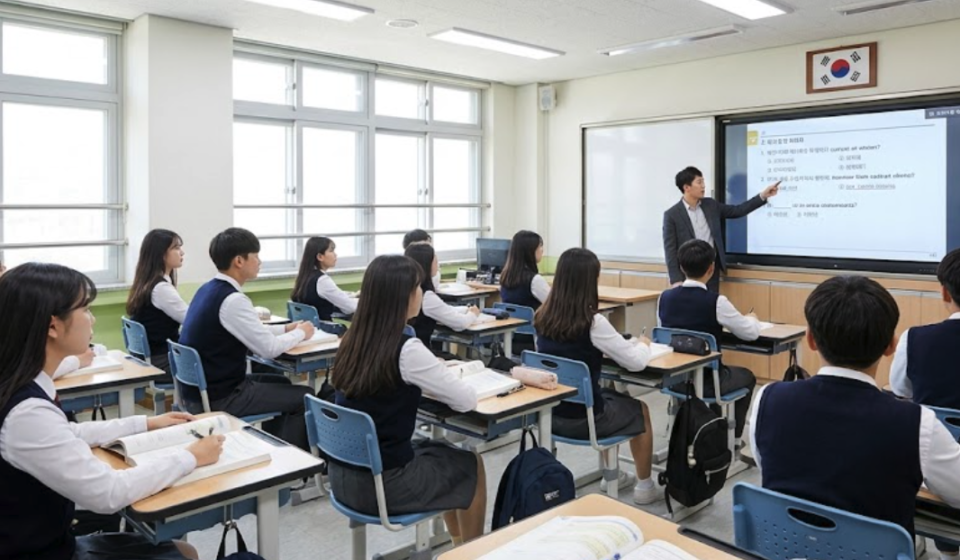

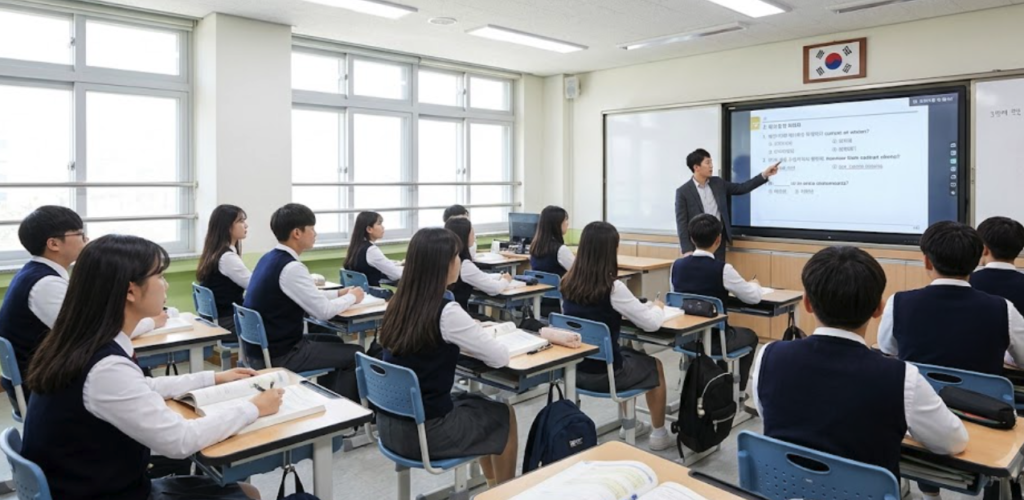
Korea’s education system is famous worldwide — not just for its high academic performance, but for its intensity. Foreigners often wonder why Korean students study so much, why hagwons (private academies) are everywhere, and why education seems to dominate daily life. To understand Korean society, you must understand its education culture. It shapes family life, work culture, social expectations, and even national identity.
This extended guide explains why Korean education is so intense, how it developed, and how it’s changing in 2026.
⭐ 1. Education as the Path to Success
For decades, Koreans believed that education = success.
This mindset comes from Korea’s rapid economic development.
✔ Why education became everything
- Korea had few natural resources
- Economic growth depended on human talent
- Good jobs required high education
- Families escaped poverty through academic achievement
In the 1970s–1990s, education was the only reliable way to climb the social ladder.
This belief still influences Korean families today.
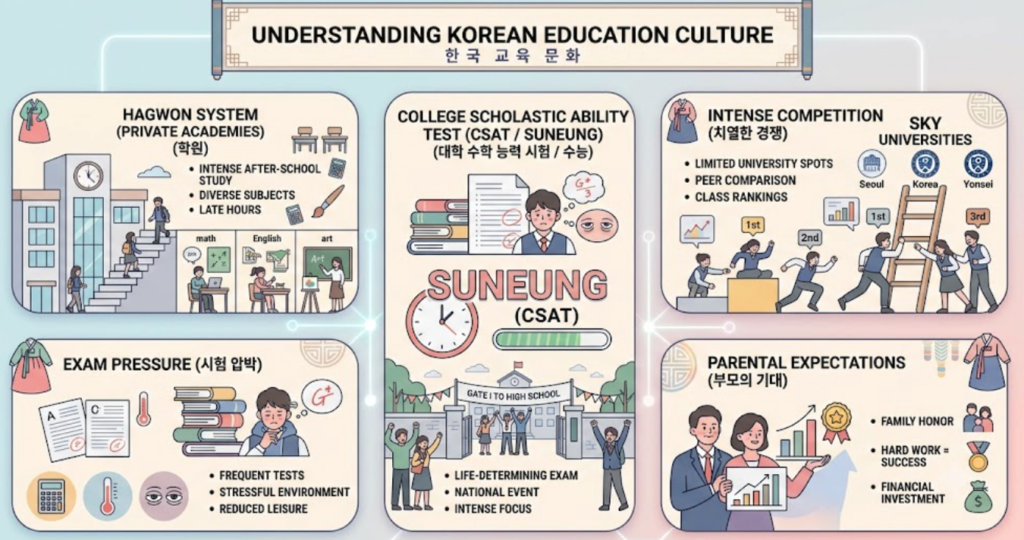
⭐ 2. The CSAT (수능): Korea’s Most Important Exam
The College Scholastic Ability Test (CSAT) is Korea’s national university entrance exam.
It’s one of the most intense exams in the world.
✔ Why CSAT is so important
- Determines which university you enter
- University affects job opportunities
- Job affects social status
- Social status affects marriage prospects
- Families invest years preparing for it
On CSAT day:
- Airplanes stop flying during the listening test
- Police escort late students
- Companies delay work hours
- The entire country becomes quiet
Foreigners are often shocked by how seriously Korea treats this exam.
⭐ 3. Hagwon Culture: Studying Until Midnight
Korea has over 70,000 hagwons, and many students attend multiple academies every day.
✔ Why hagwons exist
- Schools alone can’t cover all exam content
- Parents want extra support
- Competition is extremely high
- Hagwons offer specialized teaching
- Students prepare for CSAT, TOEIC, math competitions, and more
✔ Typical student schedule
- School: 8 AM – 4 PM
- Hagwon: 5 PM – 10 PM
- Self-study: until midnight
Foreigners often describe Korean hagwons as “academic factories,” but for Koreans, they’re a normal part of life.
⭐ 4. Parental Pressure & Expectations
Korean parents are deeply involved in their children’s education.
✔ Why parents push so hard
- They want their children to succeed
- Education is seen as parental responsibility
- Society judges parents based on children’s performance
- Good education = stable future
✔ Common behaviors
- Hiring tutors
- Monitoring grades
- Choosing schools based on reputation
- Moving homes for better school districts
- Paying for multiple hagwons
This pressure can be overwhelming for students.
⭐ 5. Competition Starts Early
Korean education intensity begins in childhood.
✔ Kindergarten
Children learn math, English, and reading early.
✔ Elementary school
Students join study groups, coding classes, and English academies.
✔ Middle school
Competition increases; students prepare for high school entrance.
✔ High school
Full academic pressure begins; students study 10–14 hours a day.
Foreigners often say Korean students study more than any other country.
⭐ 6. Social Pressure & Comparison Culture
Korean society values achievement and comparison.
✔ Common comparisons
- Grades
- University
- Test scores
- Hagwon attendance
- Extracurricular activities
Students often feel pressure to outperform their peers.
This creates a competitive environment that can be both motivating and stressful.
⭐ 7. The Role of Technology in Education
Korea uses advanced technology in education.
✔ Examples
- Digital textbooks
- AI tutoring apps
- Online lectures
- Smart classrooms
- Virtual study platforms
Students use apps to track progress, solve problems, and prepare for exams.
⭐ 8. Mental Health Challenges
The intensity of Korean education has consequences.
✔ Common issues
- Stress
- Anxiety
- Burnout
- Sleep deprivation
- Depression
✔ Government response
- Counseling programs
- Mental health support
- Reduced study hours
- Anti-hagwon regulations
Korea is slowly shifting toward a more balanced approach.
⭐ 9. How Korean Education Is Changing in 2026
Korea is modernizing its education system.
✔ New trends
- Less memorization, more creativity
- More project-based learning
- Reduced hagwon hours
- More mental health support
- More digital learning
- More global education programs
✔ Why change is happening
- MZ parents want balance
- Students demand less pressure
- Global education standards are shifting
- Korea wants happier students
The future of Korean education will be less intense — but change is slow.
⭐ 10. Why Foreigners Find Korean Education Fascinating
✔ High performance
Korean students rank among the top globally.
✔ Unique culture
Hagwons, CSAT, and parental involvement are unlike any other country.
✔ Discipline
Students show strong focus and work ethic.
✔ Modern facilities
Korean schools are clean, safe, and technologically advanced.
Foreigners often admire Korean education but are surprised by its intensity.
⭐ Recommended Link
For more insights about Korean lifestyle, culture, and society, visit:
👉 About Korea 8282 — https://aboutkorea8282.com/



[…] Korean Education Culture: Why It’s So Intense […]