
Seoul in winter is cold, dry and bright — and honestly one of the best times to visit if you dress for it. The short version: pack real layers for December to February, plan your days around warm indoor stops between outdoor sights, and save room for winter-only experiences like ice rinks, snowy palaces and hot street snacks.
This guide covers what the weather actually feels like, what to wear, the best things to do in Seoul in winter, and a few local habits that make the cold much easier to handle.
- Seoul’s winter runs from December to February; January is the coldest month, and wind makes it feel colder than the number on your weather app.
- Pack thermal base layers, a long padded coat, gloves and lip balm — the air is very dry.
- Mix outdoor sights with warm indoor stops: cafés, museums, underground shopping streets and jjimjilbang (Korean bathhouses).
- Winter-only highlights include outdoor ice rinks, snowy palaces, ski day trips and winter street food.
How cold is Seoul in winter?
Seoul has four very distinct seasons, and winter is the most extreme one. Daytime temperatures in January often stay around or just below freezing, and nights regularly drop well below zero. During cold snaps, it can fall to around -10°C or lower, especially near the Han River where the wind is strong.
| Month | What it feels like | What to expect |
|---|---|---|
| December | Cold, crisp, festive | Christmas lights, year-end crowds, first snow is possible. |
| January | The coldest month | Sharp wind chill, frozen streams, occasional snow. Best month for ice and ski activities. |
| February | Still cold, slowly easing | Lunar New Year (Seollal) usually falls in late January or February — some shops and restaurants close for a few days. |
What to wear in Seoul in winter
Koreans dress seriously for winter, and you’ll quickly see why. Indoors are well heated (sometimes too warm), so the trick is layers you can take off easily, not one giant sweater.
A thin heat-tech top and leggings under your clothes make the biggest difference for the least bulk.
The knee-length puffer (“long padding”) is the unofficial Seoul uniform for a reason — it blocks wind on your legs.
You’ll walk a lot between subway exits and sights. Ears and hands get cold fastest.
- Shoes with grip: Sidewalks and stone palace paths can be icy after snow.
- Moisturizer and lip balm: Winter air in Seoul is very dry, and indoor heating dries it out even more.
- Hand warmers: Disposable heat packs are sold cheaply at every convenience store — stick one in each pocket.
Best things to do in Seoul in winter
- Skate at an outdoor ice rink: In most winters, Seoul runs a seasonal ice rink in front of City Hall at Seoul Plaza, usually from around mid-December to February, with very low entry fees. Check the Seoul city website for this season’s dates before you go.
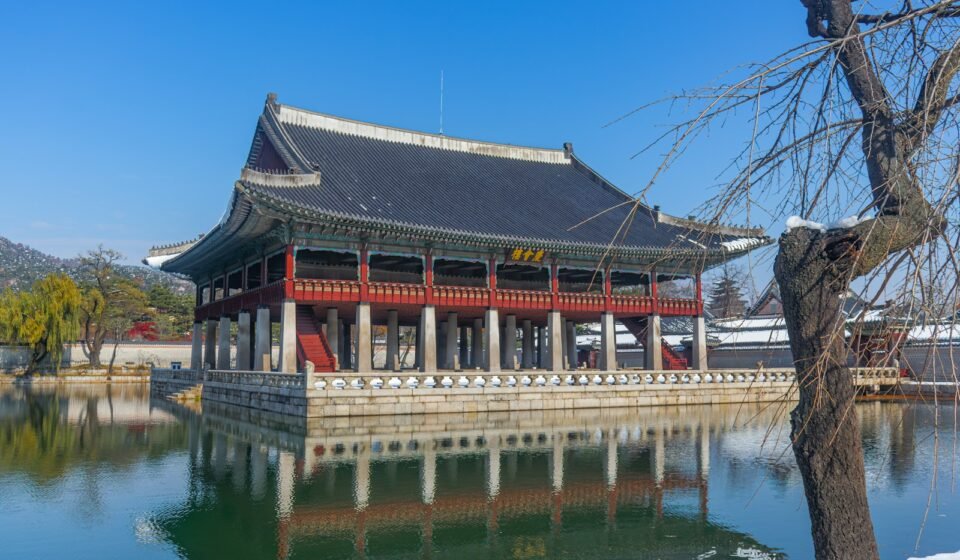
- See the palaces in the snow: Gyeongbokgung and Changdeokgung look completely different under fresh snow. Go early in the morning after a snowfall for the best photos and fewer people.
- Walk Cheonggyecheon and the Han River at night: Winter evenings bring light displays and festive decorations along the stream and riverside parks. Dress extra warm — it’s windy by the water. Our Han River local guide covers the best spots.
- Try a jjimjilbang: Korean bathhouses with hot pools, saunas and heated floors are the most local way to warm up. Many are open 24 hours and cost far less than a spa.
- Take a ski or snowboard day trip: Resorts such as Vivaldi Park, Elysian Gangchon and Yongpyong are reachable from Seoul by shuttle bus or train, and many offer full gear rental for beginners.
- Visit a winter festival: Gangwon Province hosts famous ice-fishing festivals in January, like the Hwacheon Sancheoneo Ice Festival. Dates depend on the ice, so confirm before booking.
Where to stay warm between sights
The best winter itineraries alternate outdoor time with warm indoor breaks. Seoul makes this easy.
- Underground shopping streets: Areas like Gangnam Station, Express Bus Terminal (Goto Mall) and Myeongdong have long, heated underground arcades connected to subway stations.
- Museums: The National Museum of Korea has free general admission and can easily fill half a day.
- Malls and libraries: Starfield COEX Mall and its huge Starfield Library are warm, free to walk around and very photogenic.
- Cafés: Seoul has cafés everywhere, and a hot drink break every couple of hours makes long walking days much easier. See our Seoul café culture guide for ideas.
Winter street food you shouldn’t miss
Some of Korea’s best snacks only show up when it gets cold. Look for small street stalls near subway exits and markets.
- Bungeoppang: Fish-shaped pastry filled with sweet red bean (or custard).
- Hotteok: A pan-fried pancake filled with brown sugar, cinnamon and nuts — be careful, the syrup is very hot.
- Gyeranppang: Soft, slightly sweet bread with a whole egg baked on top.
- Roasted sweet potatoes and chestnuts: Simple, warm and perfect for holding on a cold walk.
- Eomuk (fish cake) skewers: Usually served with a cup of hot broth — the fastest way to warm up.
For more ideas, check our Seoul street food guide.
“In Seoul’s winter, the cold is part of the experience — the trick is knowing where to warm up next.”
Practical winter travel tips
- Plan around Lunar New Year: Seollal is one of Korea’s biggest holidays. Trains and buses sell out, and many small restaurants close for a few days. Palaces and big malls usually stay open.
- Use Naver Maps: It shows the exact subway exit and walking route, which matters when you want to spend as little time outside as possible. Here’s why Koreans use Naver Maps instead of Google Maps.
- Shorter days: It gets dark early in December and January, so start outdoor sightseeing in the morning and save shopping and food for the evening.
- Book stays early for December: Christmas and New Year’s Eve are busy. If you’re on a budget, see our list of cheap but well-rated places to stay in Seoul.
New to Seoul? Our Seoul survival guide covers transport cards, payments and safety basics.
- Thermal top and leggings
- Long padded coat or a warm, windproof jacket
- Hat, gloves and scarf
- Shoes with good grip
- Moisturizer, lip balm and hand cream
- A few hand warmers (or buy them at a convenience store)
Frequently Asked Questions
Is winter a good time to visit Seoul?
Yes, if you dress properly. Skies are often clear, there are fewer crowds than in spring and autumn outside the holidays, and you get winter-only experiences like ice rinks, snowy palaces and seasonal street food.
Does it snow in Seoul?
It does, but usually not heavily. Seoul gets several light-to-moderate snowfalls each winter, mostly in December and January. For guaranteed snow, head to the ski resorts in Gangwon Province.
What is the coldest month in Seoul?
January. It’s the month with the lowest temperatures and the strongest cold snaps, so plan more indoor breaks if you visit then.
Are attractions open in winter?
Almost everything stays open all winter. The main exception is around Lunar New Year, when some small shops and restaurants close for a few days. Some palaces close one day a week, so check opening days before you go.
Discover more from Korea Seoul info
Subscribe to get the latest posts sent to your email.