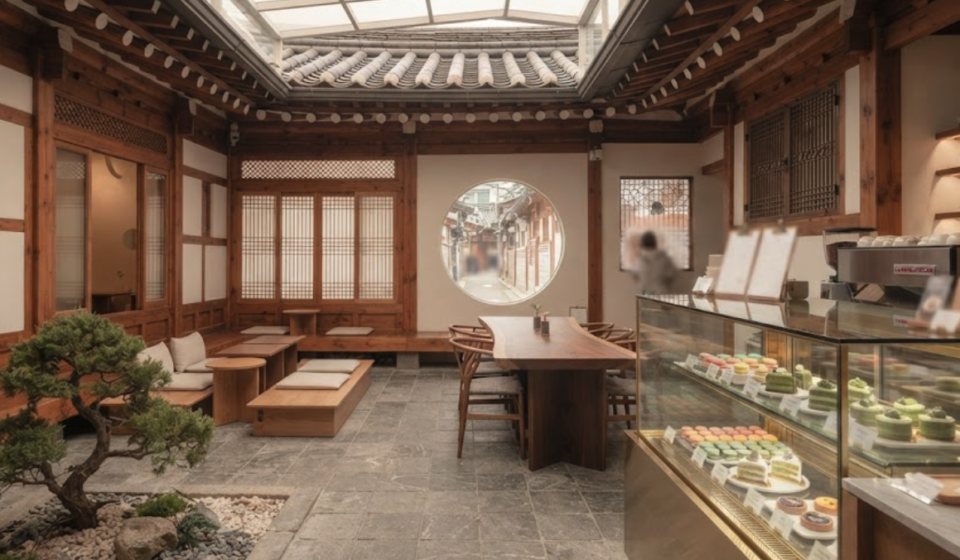

Seoul isn’t just a city of skyscrapers, shopping districts, and K‑pop.
It’s also home to one of the most vibrant and creative café cultures in the world.
From minimalist specialty coffee shops to artistic dessert cafés and themed spaces, Seoul’s café scene has become a global attraction for travelers.
Here’s why Seoul cafés stand out—and where you should go to experience the best of them.
Note: This guide contains affiliate links. If you book through them, we may earn a small commission at no extra cost to you. See our Affiliate Disclosure.
Seoul café neighborhoods at a glance
| Area | Style | Nearest subway |
|---|---|---|
| Seongsu | Industrial, brand concept cafés, pop‑ups | Seongsu (Line 2), Seoul Forest (Suin‑Bundang Line) |
| Yeonnam | Small, indie, dessert cafés | Hongik University (Line 2, AREX) |
| Hannam | Premium, design‑focused | Hangangjin (Line 6) |
| Ikseon‑dong | Hanok cafés with courtyards | Jongno 3‑ga (Lines 1, 3, 5) |
| Anguk & Samcheong‑dong | Hanok cafés, bakeries, palace views | Anguk (Line 3) |
| Han River | River views, convenience‑store picnics | Yeouinaru (Line 5), Ttukseom Resort (Line 7) |
🌿 1. Seoul Cafés Are Designed Like Art Spaces
Korean cafés are not just places to drink coffee.
They are:
- Interior design showcases
- Photo-friendly spaces
- Lifestyle hubs
- Mini galleries
Every café has its own identity—industrial, vintage, botanical, Scandinavian, or ultra-modern.
This is why Seoul cafés dominate Instagram and TikTok.
☕ 2. Specialty Coffee Culture Is Strong
Korea takes coffee seriously.
Many cafés roast their own beans, offer hand-drip menus, and collaborate with international roasters.
What makes Korean coffee special
- High-quality beans
- Skilled baristas
- Creative brewing methods
- Seasonal signature drinks
Even small neighborhood cafés often serve coffee that rivals major global brands.
🍰 3. Korean Desserts Are Next-Level
Seoul cafés are famous for their desserts:
- Soufflé pancakes
- Tiramisu
- Matcha cakes
- Croffles
- Injeolmi desserts
- Seasonal fruit tarts
Korean dessert culture blends Western techniques with Korean flavors, creating unique and beautiful treats.
🧑🎨 4. Every Neighborhood Has Its Own Café Personality
Seoul’s café culture is deeply connected to its neighborhoods.
Here are the four must-visit areas for café lovers.
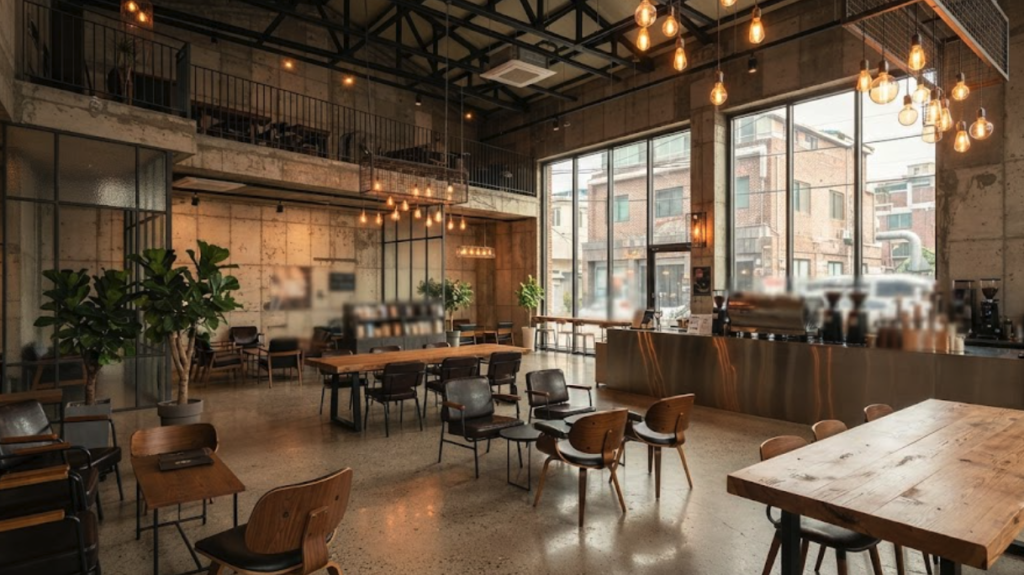
⭐ Seongsu (성수) — Seoul’s “Brooklyn” of Cafés
Seongsu is known for:
- Industrial-style cafés
- Large open spaces
- Artistic interiors
- Concept cafés by major brands
Many cafés here are built inside renovated factories, giving the area a trendy, creative vibe.
Why visit
- Unique architecture
- Specialty coffee
- Photo-friendly spaces
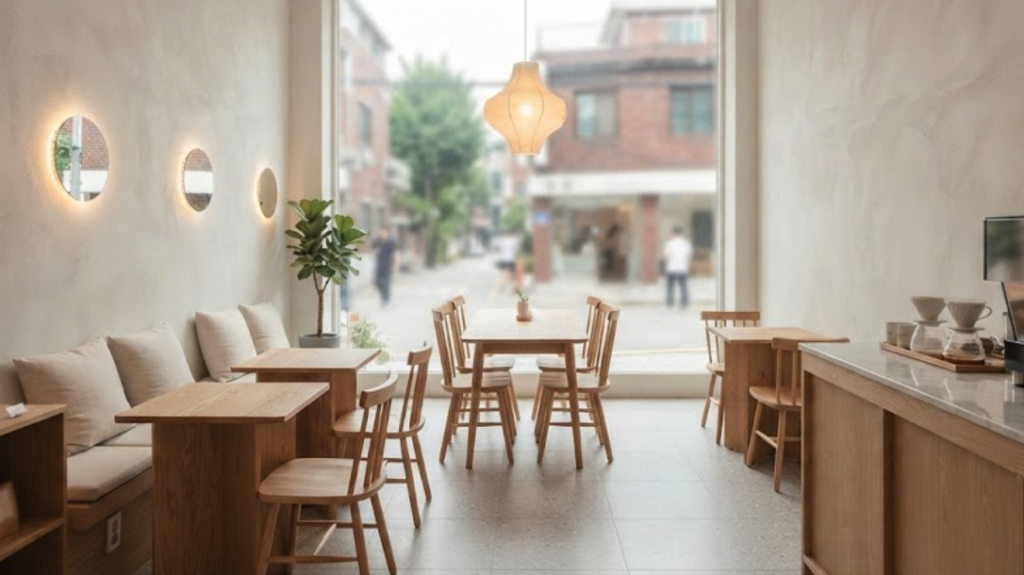
⭐ Yeonnam (연남) — Cozy, Creative, and Indie
Yeonnam is filled with small, charming cafés run by artists, bakers, and designers.
Highlights
- Minimalist interiors
- Handcrafted desserts
- Quiet, cozy atmosphere
- Independent café culture
Perfect for travelers who want a peaceful, local experience.
⭐ Hannam (한남) — Stylish & Premium
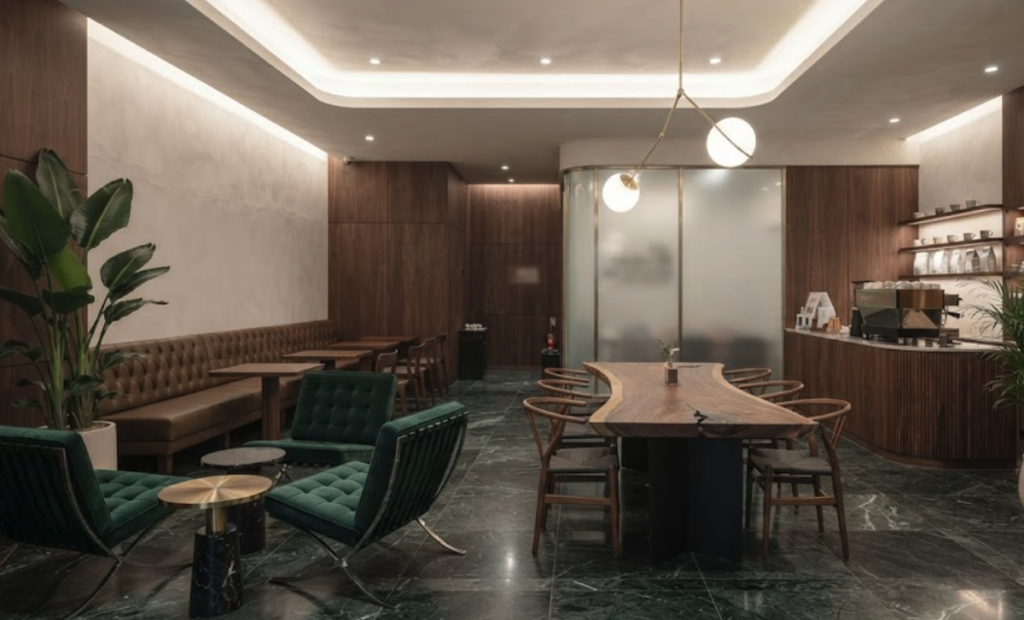
Hannam-dong is home to luxury cafés with elegant interiors and premium menus.
Highlights
- High-end pastries
- Designer-inspired spaces
- Fashion + café culture
- International crowd
If you want a refined café experience, Hannam is the place.
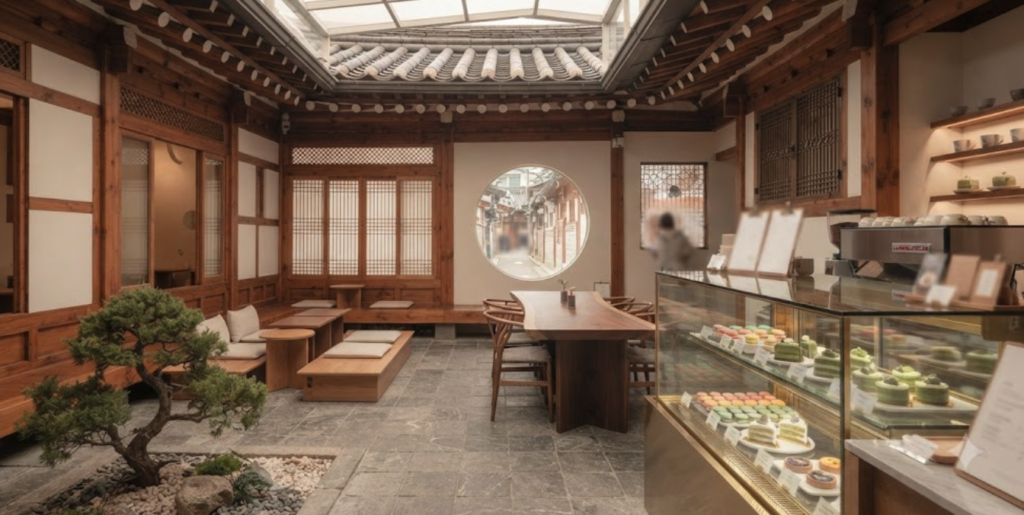
⭐ Ikseon-dong (익선동) — Traditional Meets Modern
Ikseon-dong blends Korean hanok architecture with modern café concepts.
Highlights
- Hanok-style cafés
- Beautiful courtyards
- Korean-inspired desserts
- Romantic atmosphere
It’s one of the most unique café districts in Seoul.
⭐ Anguk & Samcheong‑dong — Hanok Cafés and Bakeries
Around Anguk Station, cafés sit inside renovated hanok houses and along the stone walls leading up to Samcheong‑dong. It is also home to some of Seoul’s most talked‑about bakeries, where lines can form before opening on weekends.
- Hanok cafés with floor seating and courtyards
- Bakery cafés famous for bagels and pastries
- Easy to combine with Gyeongbokgung Palace and Bukchon
Many of these cafés also appear in our K‑drama cafés guide.
📸 5. Cafés Are a Lifestyle in Korea
For many Koreans, cafés are:
- Workspaces
- Meeting spots
- Study areas
- Relaxation zones
- Photo destinations
This lifestyle culture is why Seoul has thousands of cafés—each offering something different.
How much does coffee cost in Seoul?
Prices are shown in US dollars first (approximate, November 2026 exchange rate: US$1 ≈ ₩1,335) with Korean won in brackets. You will pay in won in Korea.
| Type of café | Iced Americano | Dessert |
|---|---|---|
| Budget chains (Mega Coffee, Compose, Paik’s) | about $1.10–1.90 (₩1,500–2,500) | $1.50–3 (₩2,000–4,000) |
| Major chains (Starbucks, Twosome Place, Ediya) | about $2.60–3.70 (₩3,500–5,000) | $3.70–6 (₩5,000–8,000) |
| Specialty and design cafés | about $3.70–5.60 (₩5,000–7,500) | $5.20–11 (₩7,000–15,000) |
Iced Americano is the unofficial national drink — Koreans order it even in winter. Locals call it “a‑a” (아아), short for “ice Americano.”
Café etiquette in Korea
- One order per person: most cafés expect every guest to order at least one item, especially in busy areas.
- Order at the counter or kiosk: table service is rare. Many cafés use touch‑screen kiosks with an English option.
- Wait for the buzzer: you’ll get a vibrating pager or a number on screen when your order is ready.
- Return your tray: bring cups and plates back to the return counter when you leave.
- Leaving your things: Koreans often leave laptops or phones on the table while ordering — it’s generally safe, but keep your passport and wallet with you.
- Long stays: studying or working for hours is common, but in small cafés it’s polite to order again after a few hours.
- No tipping: tips are not expected anywhere in Korea.
Themed cafés worth trying
- Rooftop cafés: sunset views over Namsan or the Han River.
- Character and K‑pop cafés: pop‑up cafés for idol birthdays and character collaborations, especially in Hongdae and Seongsu.
- Han River cafés: or skip the café and do it the local way — instant ramyeon from a riverside convenience store. See our Han River guide.
- Forest cafés: cafés around Seoul Forest pair coffee with a walk in the park.
A one‑day café‑hopping route
- Morning — Anguk: bakery breakfast and a hanok café.
- Lunch — Ikseon‑dong: walk the hanok alleys.
- Afternoon — Seongsu: factory cafés, then a walk in Seoul Forest.
- Evening — Yeonnam: dessert café and a stroll along the Gyeongui Line Forest Park.
☕ Café hopping across Seoul?
Use one card for café kiosks and the subway, and stay online to check maps and opening hours.
Booked via Klook · Affiliate link · Disclosure
🌅 Final Thoughts
Seoul’s café culture is more than coffee.
It’s design, creativity, lifestyle, and community all blended together.
Whether you prefer:
- Industrial Seongsu
- Cozy Yeonnam
- Stylish Hannam
- Traditional Ikseon-dong
Seoul offers a café experience you won’t find anywhere else in the world.
For travelers, exploring cafés is one of the best ways to understand modern Korean culture.
Want to understand why cafés matter so much to Koreans? Read our deeper look at Korean café culture and why Korea has so many cafés.
Frequently Asked Questions
Which area in Seoul has the best cafés?
Seongsu for industrial and concept cafés, Yeonnam for small indie cafés, Ikseon‑dong and Anguk for hanok cafés, and Hannam for premium design cafés.
How much is a coffee in Seoul?
An iced Americano costs about $1.10–1.90 (₩1,500–2,500) at budget chains, $2.60–3.70 (₩3,500–5,000) at major chains and $3.70 (₩5,000) or more at specialty cafés.
Do I have to order something for each person?
Usually yes. Most Korean cafés expect one drink or dessert per person.
Can I pay by card at Seoul cafés?
Yes. Almost every café accepts cards, and some are cashless. Kiosks take cards and often mobile payments.
Dollar amounts are approximate and based on the November 2026 exchange rate (US$1 ≈ ₩1,335).
Discover more from Korea Seoul Info
Subscribe to get the latest posts sent to your email.

[…] Seoul Café Culture: Why Korea Has the Best Cafés Author […]