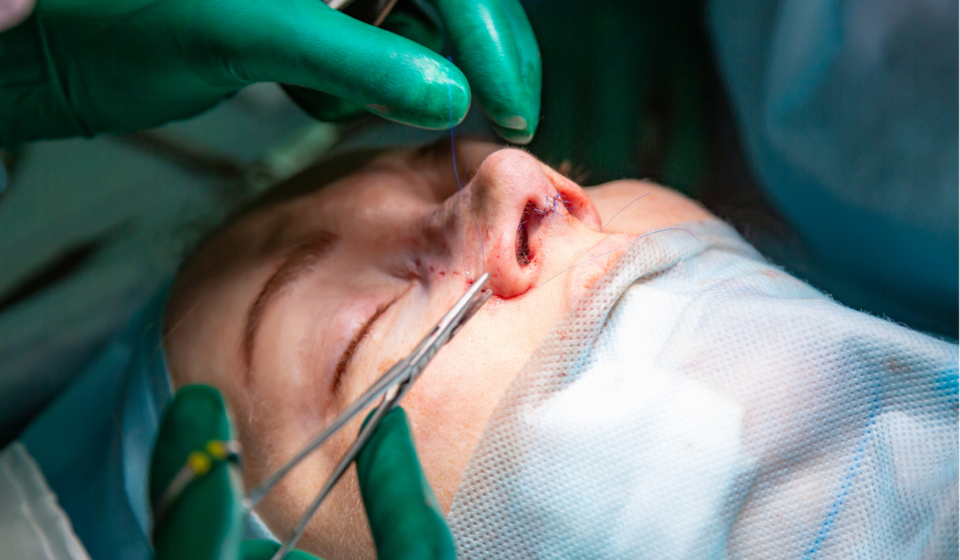

Revision rhinoplasty can be more complicated and expensive than primary nose surgery. For patients who are already unhappy with the results of a previous procedure, the decision to undergo another operation can be emotionally difficult. This urgency can sometimes make it harder to evaluate a clinic objectively.
Before committing to revision nose surgery, it is important to understand why the procedure may cost more, which additional surgical techniques may be necessary, and how to recognize pressure tactics that could lead to a rushed decision.
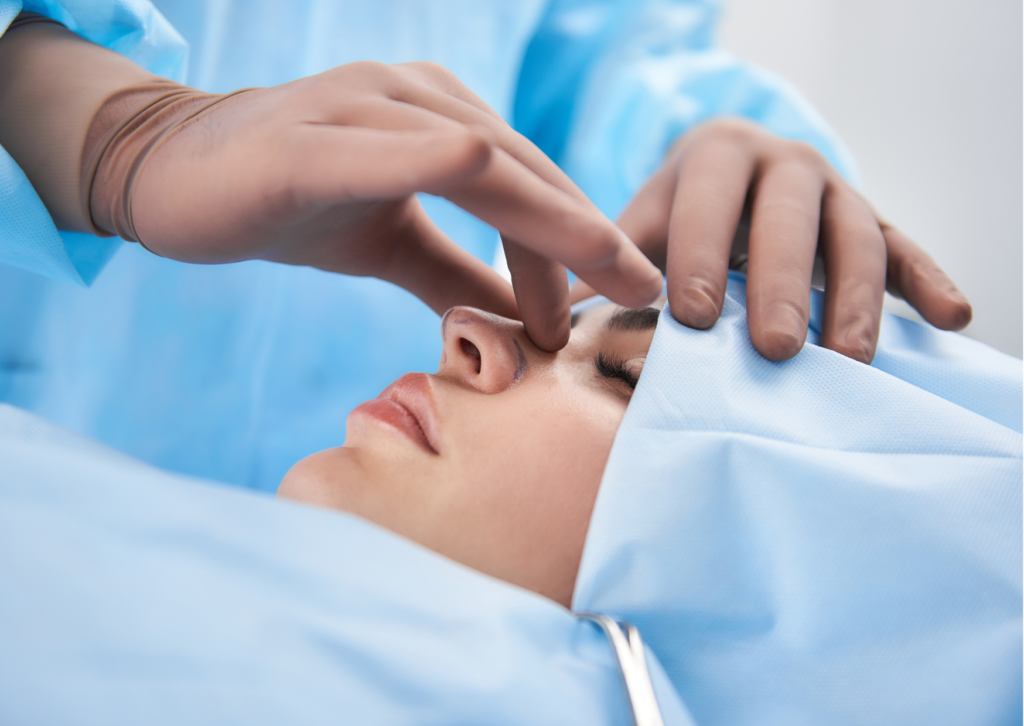
Why Is Revision Rhinoplasty More Expensive?
Revision rhinoplasty often requires more than simply reshaping the nose again. Previous surgery may have caused scar tissue, adhesions, structural damage, or changes to the normal anatomy.
During revision surgery, the surgeon may need to separate scar tissue, identify healthy structures, repair damaged tissue, and rebuild support for the nose. Unexpected findings from the previous operation can also make the procedure more challenging.
These factors may increase the complexity and duration of surgery. Revision rhinoplasty therefore requires careful planning, technical skill, and experience managing a wide range of anatomical situations.
However, a higher price alone does not prove that a surgeon is more experienced or that the result will be better. Patients should ask for a clear explanation of what the quoted fee includes and why the proposed procedure is appropriate for their specific condition.
What Additional Costs Should You Check?
Some clinics provide a comprehensive price that includes several surgical techniques, while others charge separately for additional procedures. Neither pricing structure automatically guarantees better value.
Depending on the patient’s anatomy and goals, additional procedures may include:
- Scar tissue release: Separating adhesions caused by previous surgery.
- Nasal bridge adjustment: Addressing a prominent bridge or other structural irregularities when clinically appropriate.
- Dorsal hump reduction: Reducing a prominent bump on the nasal bridge.
- Additional cartilage grafting: Obtaining more cartilage if the existing material is insufficient.
- Structural reconstruction: Rebuilding support when previous surgery has weakened or damaged the nasal framework.
Not every patient needs these procedures. Additional charges should correspond to specific surgical steps, materials, or resources that are genuinely necessary.
If additional cartilage must be harvested, ask why the existing material is insufficient, where the graft will come from, and what extra costs are involved. The clinic should explain the plan clearly and provide appropriate documentation when relevant.
Before agreeing to surgery, request an itemized estimate that distinguishes the basic revision procedure from optional or case-specific additions. Confirm whether anesthesia, laboratory tests, follow-up appointments, and postoperative care are included.
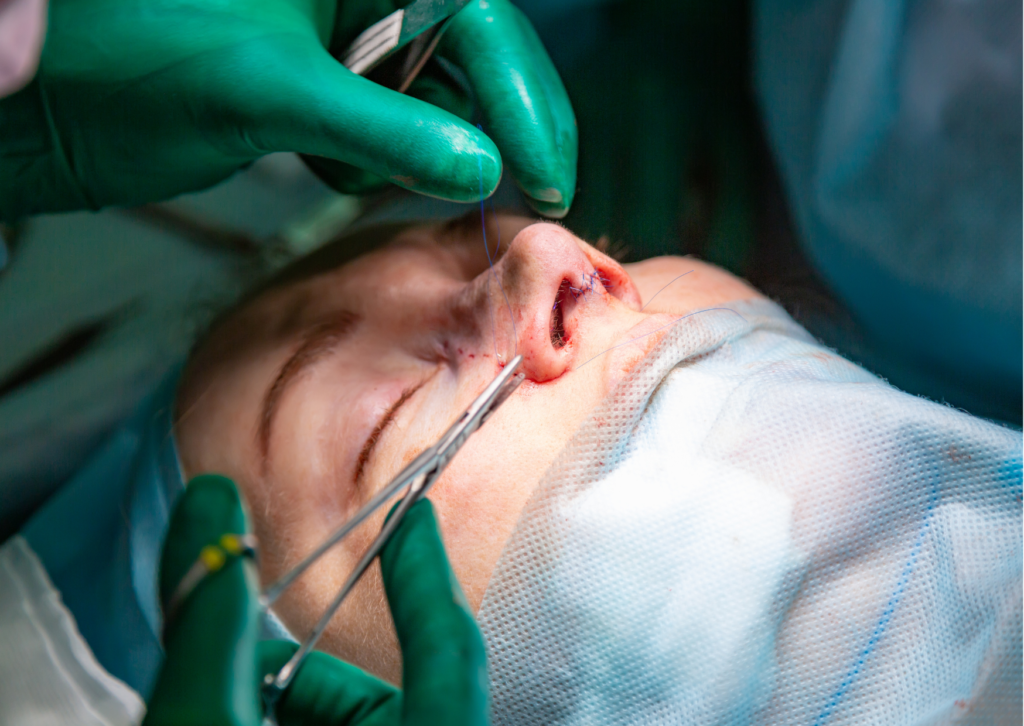
Beware of Pressure Tactics and Fear-Based Marketing
Patients seeking revision rhinoplasty may feel desperate to correct an unsatisfactory result. Some worry that another unsuccessful operation could make their situation even more difficult.
Unfortunately, this anxiety can make patients vulnerable to fear-based marketing.
Be cautious if a clinic insists that you must undergo surgery immediately, predicts severe lifelong complications without providing convincing medical evidence, or pressures you to book a procedure during your first consultation.
There are situations in which urgent medical treatment is necessary. However, the need for immediate revision surgery should be supported by a clear clinical assessment and a specific medical reason, not by vague warnings or pressure to pay a deposit.
For non-emergency cases, taking time to understand your diagnosis, compare treatment plans, and obtain a second opinion can help you make a more informed decision.
A responsible surgeon should explain the risks of delaying surgery, the potential benefits of proceeding, and the reasonable alternatives available.
How to Choose a Reliable Revision Rhinoplasty Surgeon
When selecting a surgeon for revision rhinoplasty, focus on verifiable clinical experience rather than online popularity alone.
1. Review Relevant Revision Cases
Ask to see clinical cases involving problems similar to yours, such as a crooked nose, implant displacement, excessive removal of cartilage, asymmetry, or structural collapse.
A surgeon’s experience with straightforward primary rhinoplasty may not fully demonstrate their ability to manage complex revision cases.
2. Look Beyond Before-and-After Photos
Before-and-after photographs can be useful, but they do not tell the whole story. Ask whether the images represent the surgeon’s own patients, whether the photographs were taken under comparable conditions, and how long after surgery the results were documented.
A nose can look different depending on lighting, camera angle, facial expression, and swelling. Consistent photographic conditions and longer-term follow-up provide more useful information.
3. Assess Consistency, Not Just One Successful Result
One impressive case does not establish a consistent record of good outcomes. Look for a range of relevant cases and ask how the surgeon evaluates complications, manages healing problems, and handles unsatisfactory results.
No surgeon can guarantee a perfect result or eliminate every complication. A more meaningful measure of experience is the ability to minimize avoidable risks, recognize problems, and respond appropriately when they occur.
4. Ask for a Clear, Individualized Surgical Plan
Your surgeon should explain the specific problem with your current nasal structure, the techniques being considered, the expected limitations, and the reasons for any additional procedures.
Be cautious of consultations that rely heavily on impressive terminology but provide little explanation of how the proposed technique addresses your particular anatomy.
You should understand what will be changed, what may not be possible to correct completely, and what risks are associated with the operation.
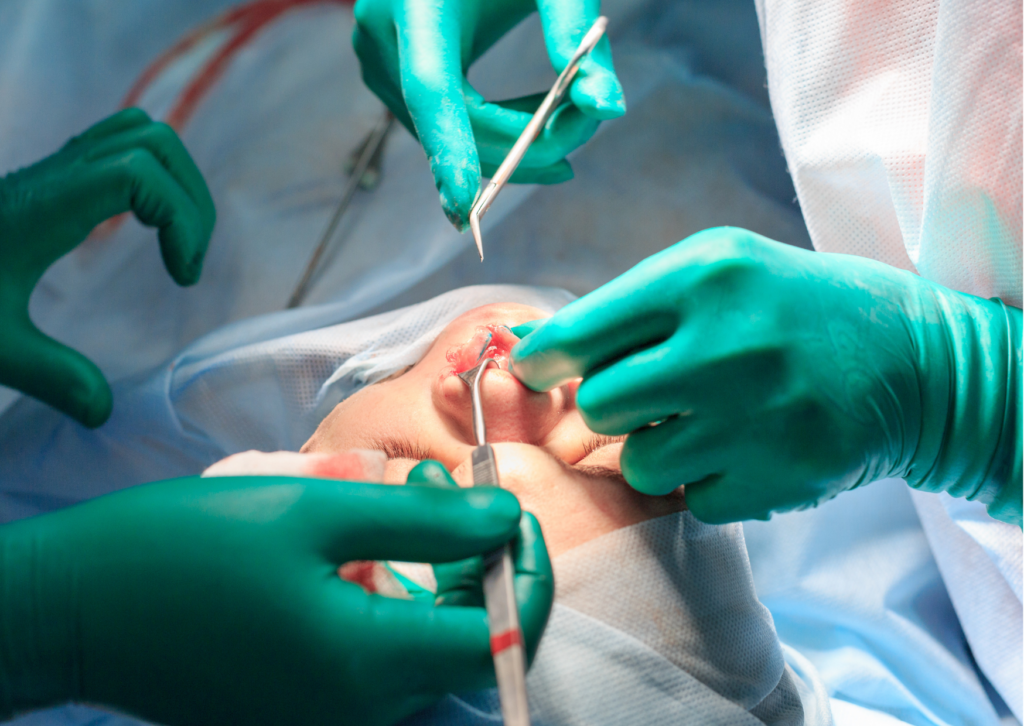
Why Choosing the Right Clinic Matters More Than Choosing the Cheapest One
Revision rhinoplasty is a highly individualized procedure. The cheapest option may not provide the expertise or surgical plan you need, but the most expensive option is not automatically the best either.
Instead of making a decision based solely on price, online ratings, luxurious facilities, or persuasive consultations, evaluate the surgeon’s relevant experience, the quality and consistency of clinical evidence, the transparency of the pricing, and the quality of postoperative care.
Online reviews may provide useful context, but they should not replace an independent assessment of the surgeon’s qualifications and actual clinical work.
Ask how complications are handled, who will provide follow-up care, and what happens if the result differs from the agreed treatment goals.
Final Thoughts: Make an Informed Decision About Revision Rhinoplasty
Revision rhinoplasty requires careful consideration because previous surgery can change the nasal anatomy and make subsequent procedures more complex.
Before proceeding, make sure you understand the proposed surgical techniques, the reasons for every additional charge, the surgeon’s experience with comparable cases, and the potential risks and limitations.
Do not allow fear, urgency, or promises of a perfect result to determine your decision. Take the time to review the available evidence, ask questions, and seek another professional opinion when necessary.
The goal is not simply to undergo another operation as quickly as possible. It is to make a well-informed decision based on your anatomy, medical needs, and realistic expectations.