
Best Hospitals in Seoul for Foreigners: SNUH vs Asan vs Severance (How to See a Top Specialist)

If you or a family member needs serious medical care in Korea, three names come up again and again: Seoul National University Hospital (SNUH), Asan Medical Center and Severance Hospital. Koreans travel from all over the country to see the specialists at these university hospitals, and all three regularly appear in Newsweek’s World’s Best Hospitals rankings.
For a foreigner, though, the hard part is not knowing which hospital is good. It is knowing how to actually get an appointment: who to call, whether you need a referral, how much it costs and which language desk to email. This guide answers exactly that, using each hospital’s official information.
Note: This guide contains affiliate links for travel services only (eSIM, airport train, transport card). We do not receive any payment from the hospitals mentioned. See our Affiliate Disclosure.
- SNUH (Jongno): Korea’s flagship national university hospital. International Healthcare Center +82-2-2072-0505.
- Asan Medical Center (Songpa, near Jamsil): one of Korea’s largest hospitals. International Healthcare Center +82-2-3010-5001, int@amc.seoul.kr.
- Severance Hospital (Sinchon): Yonsei University’s hospital, home of Korea’s first international clinic (1962). +82-2-2228-5800, ihcc@yuhs.ac.
- Without Korean health insurance? Book through the hospital’s international center. With insurance? Bring a referral letter from a local clinic or you pay the full fee.
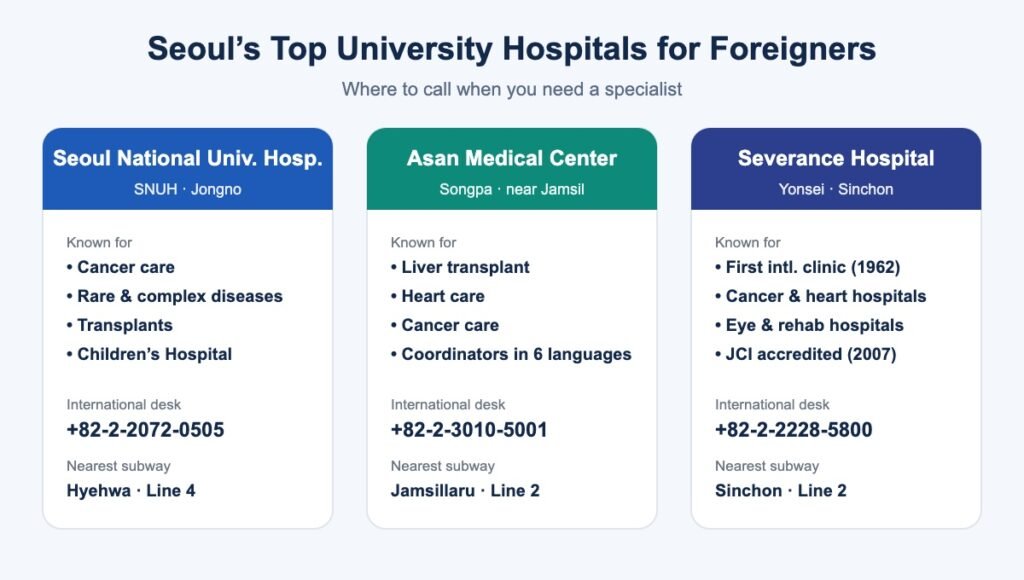
The three hospitals at a glance
| Seoul National University Hospital | Asan Medical Center | Severance Hospital | |
|---|---|---|---|
| Area | Jongno-gu (Daehak-ro) | Songpa-gu (near Jamsil) | Seodaemun-gu (Sinchon) |
| Nearest subway | Hyehwa Station, Line 4 (about 10 min walk) | Jamsillaru Station, Line 2, Exit 1 (shuttle or 10 min walk) | Sinchon Station, Line 2 (about 10 min walk) |
| Run by | Seoul National University (public) | Asan Foundation (private) | Yonsei University (private) |
| International desk | +82-2-2072-0505 | +82-2-3010-5001 | +82-2-2228-5800 / 5810 |
| international@snuh.org (English) | int@amc.seoul.kr | ihcc@yuhs.ac | |
| Address | 101 Daehak-ro, Jongno-gu | 88 Olympic-ro 43-gil, Songpa-gu | 50-1 Yonsei-ro, Seodaemun-gu |
Why Koreans search for a “myeongui”
In Korean, a myeongui (명의) means a “master doctor”: a specialist with a national reputation in one disease or surgery. There is even a long-running Korean TV documentary series with that name. When Koreans are diagnosed with cancer, heart disease or a rare condition, the first thing many families do is look up which myeongui works at which university hospital, then try to book that doctor.
The same approach works for foreigners, with one important difference: rather than chasing a famous name, ask the international center to match you with the sub-specialist who treats your exact condition most often. A well-known professor may have a waiting list of months, while another specialist in the same team can often see you much sooner.
Seoul National University Hospital (SNUH)
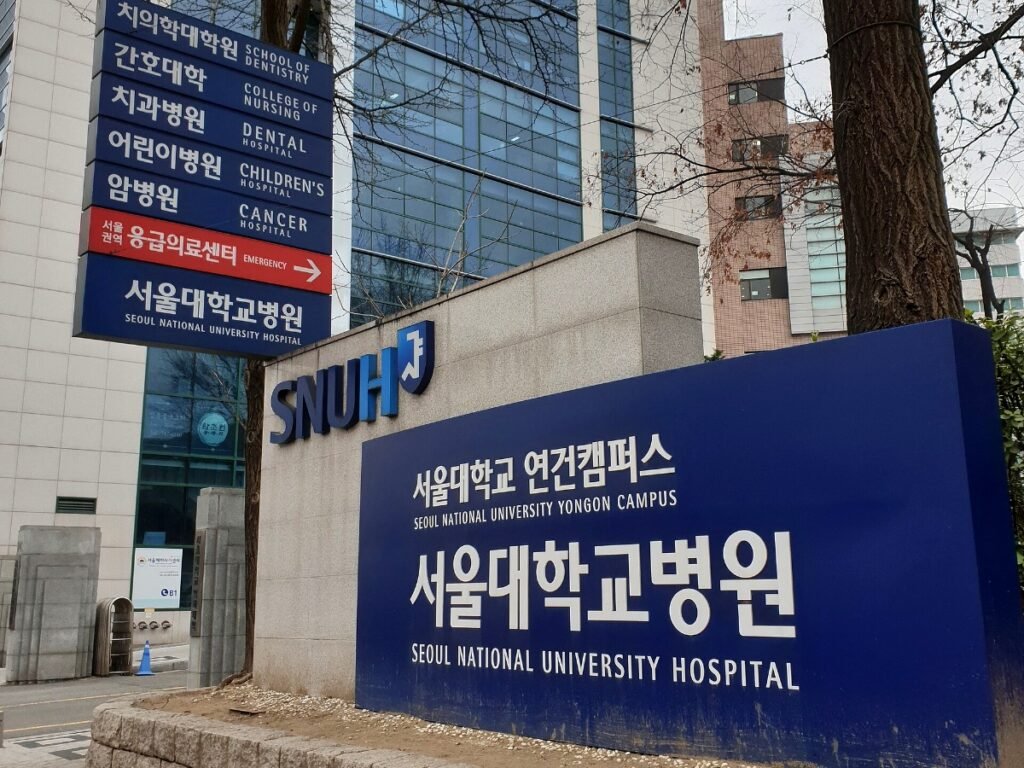
SNUH is the teaching hospital of Seoul National University, Korea’s top national university, and sits on Daehak-ro in central Seoul. It is often the place other hospitals refer their most complex cases, and it is especially known for cancer care, rare and complex diseases, transplants and its dedicated Children’s Hospital on the same campus.
How foreigners book at SNUH
- No Korean health insurance: contact the International Healthcare Center at +82-2-2072-0505 (weekdays 9:00–17:30). Each language has its own coordinator: English international@snuh.org, Chinese china@snuh.org, Russian russian@snuh.org, Arabic arab@snuh.org, Mongolian medmongolia@snuh.org. Phone requests are handled first; emails are answered in order.
- With Korean health insurance (NHIS): you are treated like a Korean patient and book through the Reservation Center at 1588-5700 or +82-2-2072-1221 (Korean only), or online through the SNUH website or app.
- Have ready: a passport copy (or residence card), a phone number, and the name of your overseas insurer if you have one.
Asan Medical Center (Songpa)
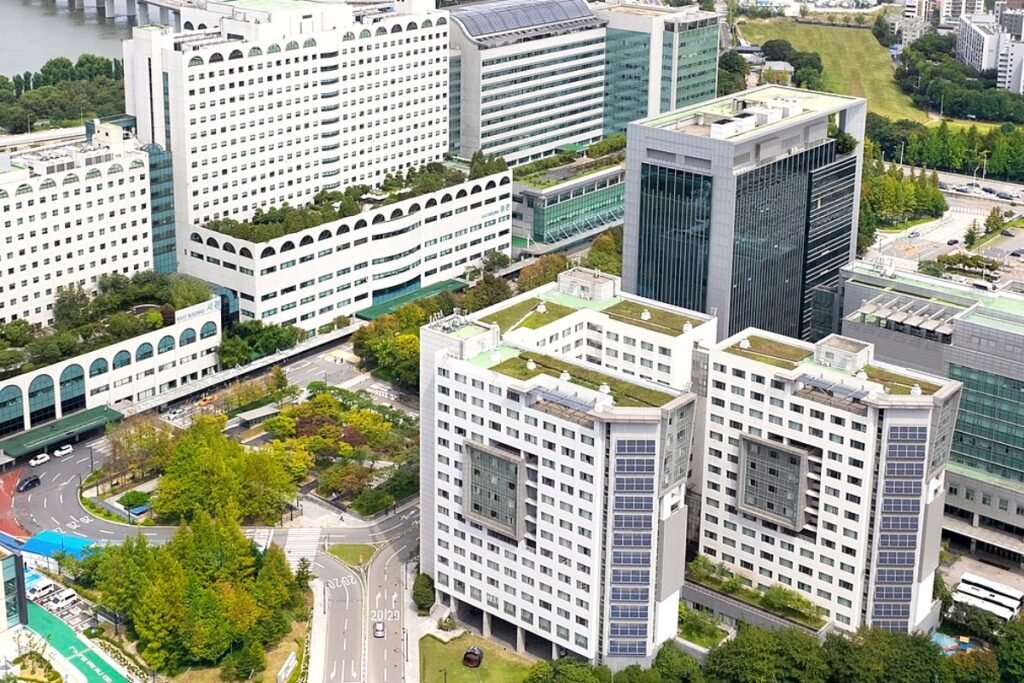
Asan Medical Center, in southeast Seoul near Olympic Park and Jamsil, is one of the largest hospitals in Korea and is run by the Asan Foundation. It is internationally known for one of the world’s busiest living-donor liver transplant programs, as well as heart care, cancer care and organ transplants. In Newsweek’s specialty rankings it has placed in the global top 10 in several fields.
How foreigners book at Asan
- International Healthcare Center: New Building, 4th floor. Weekdays 8:30–17:30. Phone +82-2-3010-5001, email int@amc.seoul.kr.
- First visit: the hospital recommends sending your request through its English website so the team can schedule you efficiently.
- Send with your request: symptoms or diagnosis, medical history, current medications, and test results or scans from the last 3 months. Complete records get a faster answer.
- Languages: English, Chinese, Japanese, Russian, Arabic and Mongolian coordinators. Direct billing to many insurers and embassies can be arranged.
Severance Hospital (Sinchon)
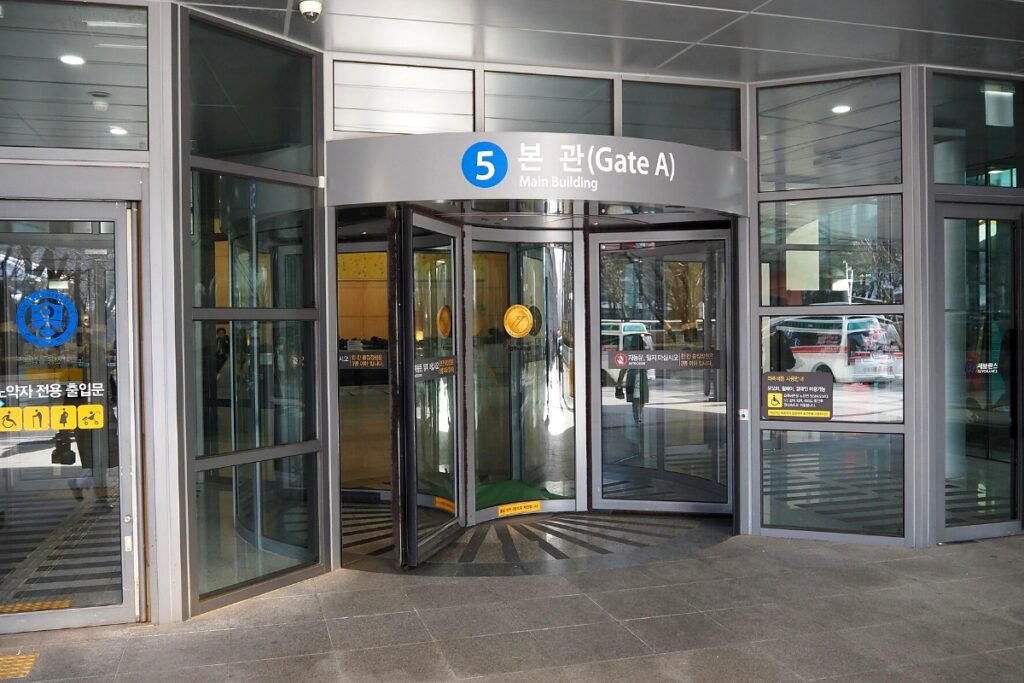
Severance Hospital belongs to Yonsei University Health System and traces its roots to Jejungwon, Korea’s first Western-style hospital, founded in 1885. It opened Korea’s first international clinic in 1962 and in 2007 became the first Korean hospital accredited by Joint Commission International (JCI). Its campus in Sinchon includes specialized cancer, heart, eye, rehabilitation and children’s hospitals.
How foreigners book at Severance
- International Health Care Center: 3rd floor of the main hospital. Phone +82-2-2228-5800 / 5810, appointment center +82-2-2228-1004, email ihcc@yuhs.ac.
- Languages: English, Japanese, Russian and Chinese interpretation is always available; other languages on request.
- Cost estimate: you can ask for an estimated cost before you agree to treatment, and inpatient bills can be sent directly to many overseas insurers.
- Don’t mix them up: Gangnam Severance Hospital is a separate hospital in Gangnam with its own phone number.
How to get an appointment, step by step
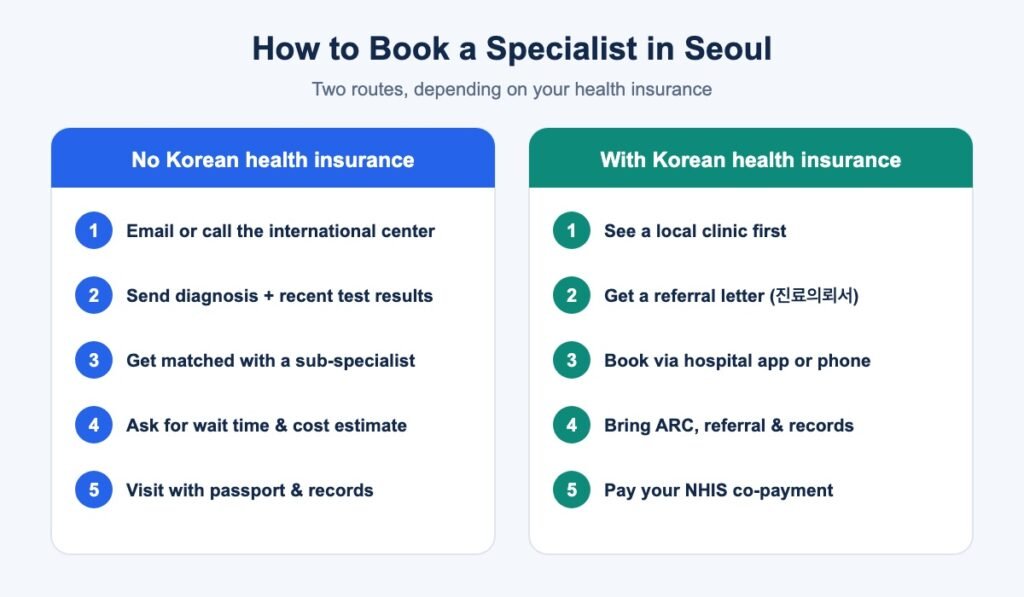
- Check your insurance status. Are you enrolled in Korea’s National Health Insurance (NHIS)? Most long-term residents are; tourists are not.
- If you are insured, get a referral letter (jillyo uiroeseo, 진료의뢰서) from a local clinic or a general hospital. SNUH, Asan and Severance are top-tier “tertiary” hospitals, and insurance only applies there with a referral.
- Collect your records. Test results, imaging on CD, biopsy reports and a doctor’s note, translated into English if possible.
- Contact the international center (uninsured) or the regular reservation line or app (insured). Say which condition you have and ask for the right sub-specialist.
- Ask about waiting time and cost before you confirm. If the wait is long, ask whether another specialist in the same department can see you earlier.
- On the day: arrive 30–60 minutes early, bring your passport or residence card, your records and your referral letter.
✈️ Coming to Seoul for treatment?
Stay reachable for hospital calls and maps from the moment you land, get from Incheon Airport to Seoul easily, and pay for subway and taxis with one card.
Travel services booked via Klook · Affiliate link · No payments from any hospital · Disclosure
How much does it cost?
- Insured with a referral: you pay your normal NHIS co-payment, which is higher at tertiary hospitals than at small clinics but usually far lower than in many Western countries.
- Uninsured visitors: you pay the full price for consultations, tests and treatment. Ask the international center for a written estimate before tests or surgery.
- Travel or overseas insurance: Asan and Severance can arrange direct billing with many insurers, especially for hospital stays. Many outpatients pay first and claim later, so keep every receipt and ask for an itemized bill and medical certificate in English.
Which one should you choose?
There is no single “best” hospital for everyone. Korean doctors themselves usually suggest choosing by:
- Your condition: ask each international center which specialist treats your diagnosis most often.
- Waiting time: a shorter wait with a highly experienced specialist can be better than months for a famous name.
- Location: treatment often means several visits, so being close to your hotel or home matters. SNUH is central, Severance is in the west near Hongdae and Sinchon, and Asan is in the southeast near Jamsil.
- Where your records are: if you were already tested at one hospital, continuing there avoids repeating scans.
Frequently Asked Questions
Can foreigners see a top specialist at SNUH, Asan or Severance?
Yes. All three run international centers for foreign patients. Contact them with your diagnosis and records, and they will arrange an appointment with a suitable specialist. Waiting times vary by doctor and department.
Do I need a referral letter as a foreigner?
If you have Korean National Health Insurance, yes, or the visit is not covered. Tourists and others without NHIS do not need one; they book through the international center and pay the full fee.
Do the doctors speak English?
Many specialists at these hospitals can communicate in English, and each international center provides interpreters for major languages such as English, Chinese, Japanese and Russian. Ask for an interpreter when you book.
Can I go to the emergency room instead?
Only for real emergencies. Emergency rooms at big university hospitals are very busy and treat the most urgent cases first. In an emergency in Korea, call 119.
Is Severance the same as Gangnam Severance?
No. Both belong to Yonsei University Health System, but they are separate hospitals with different locations and phone numbers. The international center in this guide is at Severance Hospital in Sinchon.
Contact details checked in November 2026 on each hospital’s official English website (snuh.org, amc.seoul.kr, severance.healthcare). Phone numbers, hours and procedures can change, so confirm with the hospital before you visit. This article is general information, not medical advice, and does not recommend any individual doctor. Photos: Wikimedia Commons — Seoul National University Hospital by Thddbfk, Asan Medical Center by Edit4567, Severance Hospital by RyuMinjoo (all CC BY-SA 4.0), cropped and color-adjusted.
Discover more from Korea Seoul Info
Subscribe to get the latest posts sent to your email.